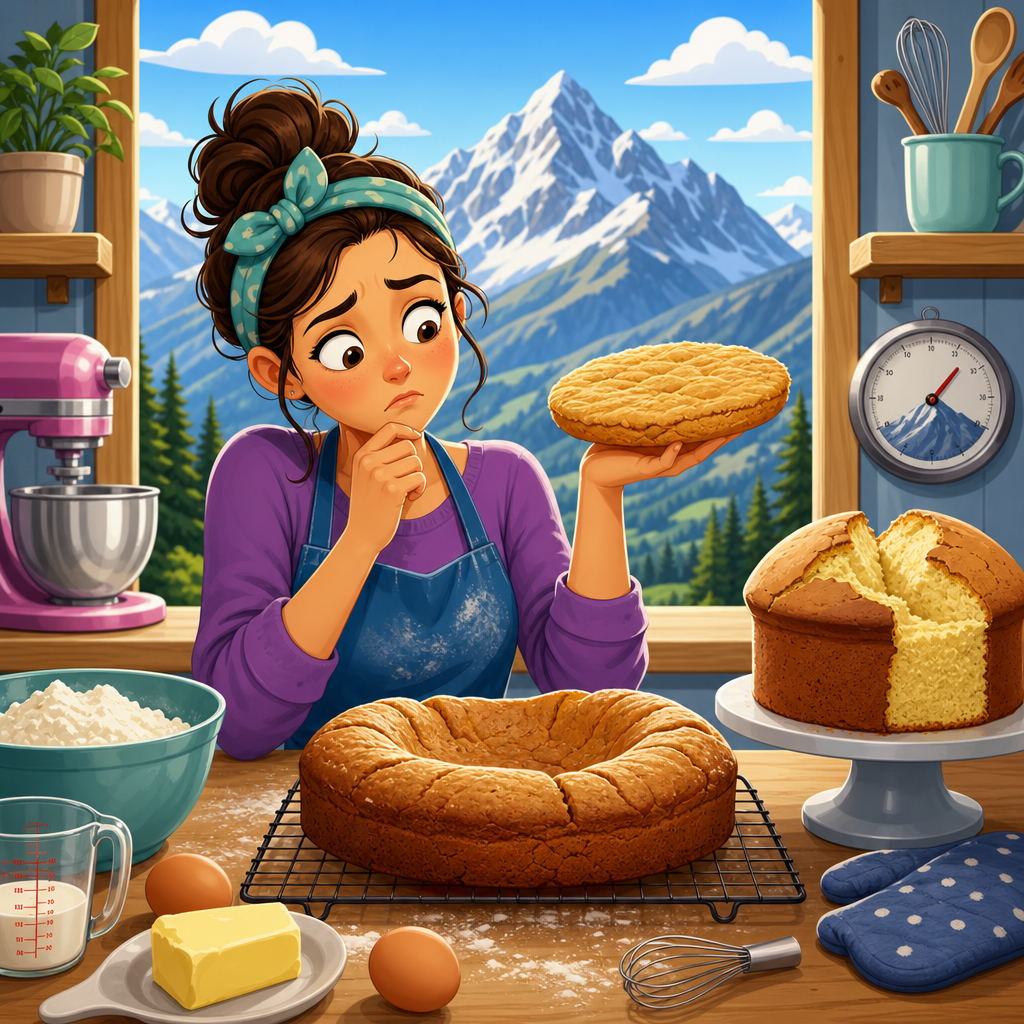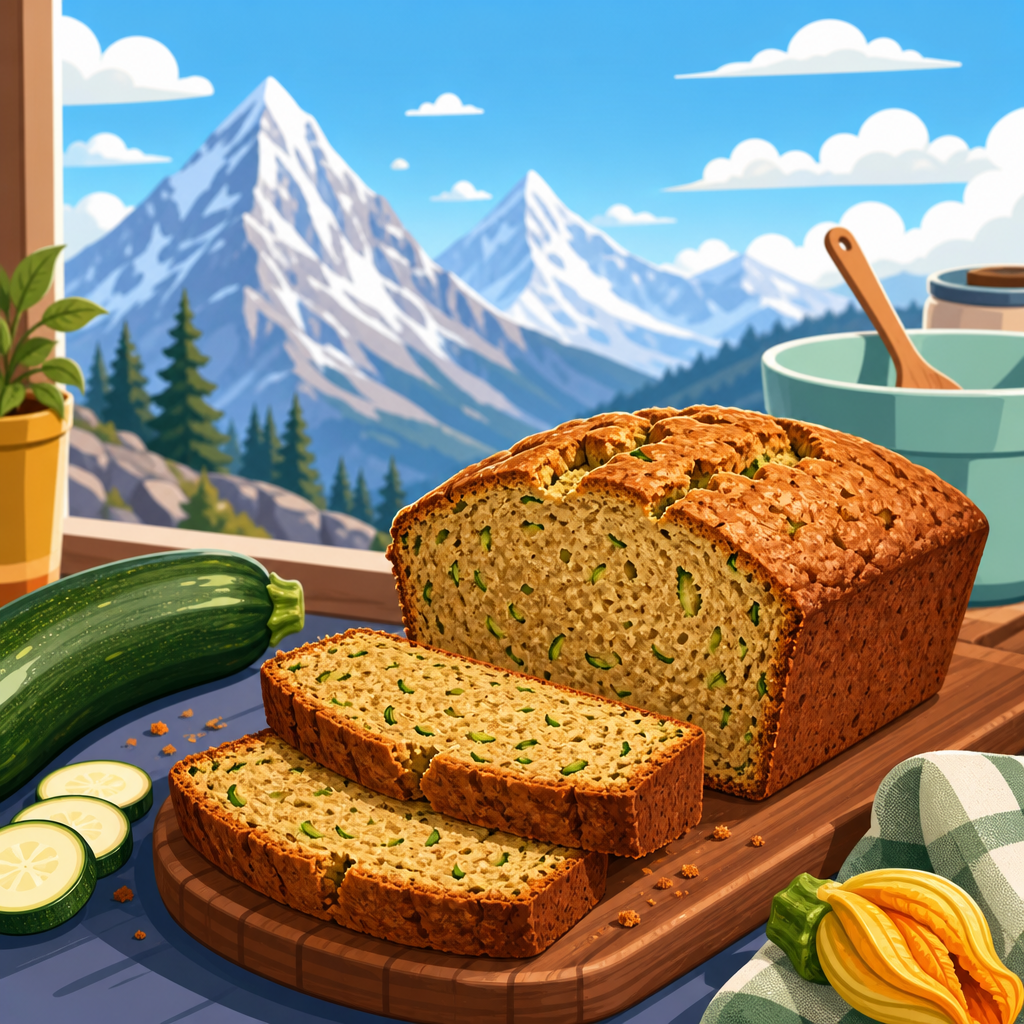
Zucchini bread at altitude without a wet middle starts with understanding why quick breads behave differently in thin, dry air. In mountain kitchens, the same loaf that bakes perfectly at sea level can rise too fast, collapse around the center, and leave a gummy stripe that never fully sets. Quick breads are simple in structure, but they are sensitive to elevation because pressure, evaporation, and heat transfer all change as altitude increases. If you want a tender crumb, domed top, and fully baked center, you need to adjust method as much as ingredients.
In this guide, zucchini bread is the anchor recipe, but the principles apply across the full range of quick breads and breakfast bakes: banana bread, pumpkin bread, apple loaves, muffins, coffee cake, baked oatmeal, scones, and breakfast casseroles with a bread-like texture. A quick bread is any batter or dough leavened primarily with baking soda or baking powder instead of yeast. Breakfast bakes include sweet and savory dishes assembled in a pan and baked until set. At altitude, both categories demand tighter control of moisture, leavening, pan depth, and bake temperature than many recipes acknowledge.
I have tested quick breads in high mountain conditions where a trusted sea-level recipe produced a beautiful exterior and a raw center twice in the same week. The pattern was consistent: too much water locked in by vegetable puree or shredded produce, too much chemical leavening for lower air pressure, and too low an oven temperature to set the loaf before overexpansion. Once those variables were corrected, results became reliable. That matters because quick breads are often make-ahead staples. They freeze well, reduce food waste, and turn seasonal produce into practical breakfasts. A strong hub page should help you diagnose wet middles, choose the right formula, and know which related breakfast bakes need similar altitude changes.
Why zucchini bread gets a wet middle at altitude
The wet middle problem has three main causes: excess internal moisture, structure that expands before it sets, and underbaking caused by misleading surface cues. Zucchini is more than 90 percent water, and how you prep it determines whether your batter is balanced or flooded. Finely shredded zucchini releases moisture quickly into sugar and flour, especially if it sits before baking. At altitude, faster evaporation from the surface can trick you into thinking the loaf is drying properly, while the center remains undergelatinized. The top browns, the edges set, and the middle stays dense.
Leavening is the second culprit. Lower atmospheric pressure allows bubbles from baking soda and baking powder to expand more aggressively. If the batter inflates before starches gelatinize and egg proteins coagulate, the loaf can dome, crack, then sink as it cools. That collapse compresses the crumb around the center, creating the heavy, damp band many bakers describe as a wet middle. This is common in zucchini bread, banana bread, and pumpkin bread because all three have high moisture and relatively low structural strength compared with lean cakes.
Oven setting matters as well. A loaf pan creates a deep batter column, so heat takes time to reach the center. At altitude, increasing oven temperature by about 15 to 25 degrees Fahrenheit is often more effective than simply baking longer. A slightly hotter oven helps set the outer structure early enough to support the rise. Then you can shorten bake time modestly, which also protects against overbrowned edges. For most home bakers above 3,500 feet, the first fixes are straightforward: squeeze some moisture from the zucchini, reduce leavening slightly, and raise the oven temperature.
The core formula for high-altitude zucchini bread
A dependable high-altitude zucchini bread formula balances wet and dry ingredients more tightly than standard recipes do. Start with measured zucchini after prep, not before. For a typical 9-by-5-inch loaf, about 220 to 250 grams of shredded zucchini is plenty. If the shreds are visibly wet, wrap them in a clean towel and squeeze lightly; you are not trying to dry them out completely, only remove free water. Use all-purpose flour for predictable protein strength unless a recipe is specifically built for whole wheat. Include eggs for structure, neutral oil for tenderness, and enough sugar to sweeten without turning the batter syrupy.
Leavening should be moderate. In recipes I trust for 5,000 to 7,500 feet, one loaf usually needs around 3/4 teaspoon baking soda if there is an acidic ingredient such as brown sugar, yogurt, or applesauce, or roughly 1 to 1 1/4 teaspoons baking powder if soda is not used. Many sea-level recipes call for more, which is one reason they fail in mountain kitchens. Salt is not optional; it sharpens flavor and supports overall balance. Cinnamon, nutmeg, and vanilla work well, but spices do not correct structural issues, so treat them as finishing notes rather than the foundation.
Mixing method is equally important. Combine dry ingredients separately, whisk wet ingredients until smooth, then fold together just until no flour pockets remain. Overmixing develops gluten and can make a loaf tough, but undermixing leaves dense streaks. Once zucchini is added, get the batter into the pan promptly. Resting a high-moisture batter on the counter gives sugar more time to draw out liquid and lets leavening react before the loaf reaches the oven. That lost gas can mean weaker lift and a tighter, wetter center.
Altitude adjustments that work across quick breads and breakfast bakes
The same physics affecting zucchini bread also shape other quick breads and breakfast bakes. Thin air encourages faster rise, drier surfaces, and quicker moisture loss at the edges than in the center. That means a broad category of recipes benefits from a small set of repeatable altitude adjustments. When I am adapting a new loaf or muffin recipe, I start by changing only one or two variables, then track the result. Consistency comes from measured adjustments, not from replacing half the ingredient list at once.
| Bake type | Common altitude issue | Best first adjustment | Example |
|---|---|---|---|
| Zucchini or banana bread | Wet center, collapsed top | Reduce leavening 15 to 25 percent; increase oven 15 to 25°F | Cut 1 tsp baking soda to 3/4 tsp |
| Muffins | Tunnels, peaked tops, dry edges | Slightly reduce sugar and leavening; fill cups evenly | Reduce sugar by 1 to 2 tbsp per dozen |
| Coffee cake | Sunken center under streusel | Use a wider pan and moderate topping depth | Choose 9-inch square instead of deep round pan |
| Baked oatmeal | Dry top, loose base | Cover briefly, then finish uncovered | Foil for first 20 minutes |
| Scones | Spread instead of lift | Reduce liquid slightly and chill before baking | Hold back 1 to 2 tbsp cream |
These adjustments are grounded in standard baking science used by extension programs and recipe developers working in the Rocky Mountain region. Sugar weakens structure and retains water, so excessive sugar in high-moisture loaves can delay setting. Leavening expands more at altitude, so reducing it often produces a taller, more even final shape, not a flatter one. Hotter ovens set batters faster, which is especially useful in deep pans. In breakfast bakes such as strata or baked French toast, the issue is often reversed: the custard overbrowns before the center sets. There, a water bath, foil cover, or lower rack position can outperform temperature increases.
Ingredient-by-ingredient fixes for a better crumb
Flour provides the framework. All-purpose flour around 10 to 11.7 percent protein is the easiest choice for quick breads because it gives enough strength without making the loaf bready. If you substitute whole wheat flour, start by replacing only 25 to 50 percent of the white flour, because bran absorbs water and can weigh down the rise. A tablespoon or two of extra liquid may be needed in some recipes, but with zucchini bread, restraint is usually better than addition. Measure flour by weight when possible; packed cups are a common cause of dense loaves.
Sugar contributes sweetness, tenderness, browning, and moisture retention. At altitude, a slight reduction can improve structure. For a loaf containing one cup of sugar, removing 1 to 2 tablespoons is a sensible first test. Brown sugar adds acidity and moisture, which can be useful but also increases the risk of gumminess if the zucchini is very wet. White sugar gives a drier crumb and cleaner rise. I often use a split of three-quarters white sugar and one-quarter brown sugar for balance.
Fat changes eating quality more than most people realize. Oil creates a moist crumb and stays soft when chilled, making it ideal for breakfast loaves. Butter adds flavor but can produce a firmer texture when cool. Greek yogurt, sour cream, or applesauce can help tenderness, yet each also adds water. If you add one of them to zucchini bread, reduce zucchini moisture more aggressively or increase flour slightly. Nuts, oats, raisins, and chocolate chips also affect structure by interrupting the crumb. Light coatings of flour on add-ins can help keep them suspended rather than dragging the center downward.
Pan choice, doneness testing, and the baking process
Pan geometry has a direct effect on whether the middle bakes through. Dark metal pans brown faster and can overcook the sides before the center sets. Glass pans heat more slowly but retain heat longer, often leading to overdone edges after the loaf is removed from the oven. For zucchini bread at altitude, a light-colored metal loaf pan is usually the most forgiving. If your recipe consistently produces a wet center, consider dividing one large loaf into two smaller pans or making muffins instead. Shallower batter depth is one of the fastest routes to an evenly baked crumb.
Fill the pan correctly. Two-thirds full is a practical target for most quick breads at elevation, because overfilled pans encourage mushrooming and collapse. Line the long sides with parchment for easy removal and even support. Place the pan in the center of a fully preheated oven, not on the top rack where browning accelerates too quickly. Avoid opening the door early. In the first two-thirds of baking, you want stable heat so the loaf can set before you start testing.
Doneness should be confirmed with more than a toothpick. A skewer inserted in the center should come out with a few moist crumbs, not wet batter. Even better, use an instant-read thermometer. Most quick breads are fully baked around 200 to 205 degrees Fahrenheit in the center. Below that range, the starch network is often not fully set. Also press lightly on the top; it should spring back rather than sink. If the top is browning too fast and the center temperature is still low, tent loosely with foil and continue baking. Cooling matters too. Let the loaf rest in the pan about 10 to 15 minutes, then move it to a rack so steam does not condense underneath and soften the crust.
How this hub connects the rest of quick breads and breakfast bakes
This page is the working hub for the broader quick breads and breakfast bakes section within cooking and baking at altitude. If you are troubleshooting one zucchini loaf, you are usually learning a pattern that transfers to several related recipes. Banana bread shares the same high-moisture, low-structure profile, but ripe bananas also bring extra sugar, so collapse is even more likely if leavening is too high. Pumpkin bread behaves similarly, except canned pumpkin is thicker and less watery than zucchini, which can mask underbaking until slicing. Apple bread introduces another variable: fruit pieces create localized wet pockets unless they are diced small and distributed evenly.
Muffins are the faster, smaller-format extension of loaf quick breads. They usually need the same modest reduction in leavening and a small oven increase, but because they bake quickly, overcorrection can dry them out. Coffee cake and crumb cake shift attention toward topping weight and pan shape. Heavy streusel can sink a weak batter at altitude, so a lighter layer and a wider pan often produce better lift. Scones and biscuits sit at the drier end of the breakfast-bake range; they benefit from colder fat, slightly reduced liquid, and firm handling. Baked oatmeal, breakfast bars, and strata are the custard-rich side of the category, where center setting and edge dryness must be balanced differently.
The main advantage of a hub approach is that it saves you from treating each recipe as a completely new problem. Once you know how altitude changes evaporation, gas expansion, and setting time, you can adapt with confidence. Start with the product category, identify whether the batter is deep or shallow, wet or dry, lightly or heavily leavened, then apply the appropriate fix. Use this page as the foundation, then build your own tested notes for every loaf, muffin, coffee cake, and breakfast bake you make this season.
Zucchini bread at altitude without a wet middle is not a mystery; it is a formula problem with clear solutions. Control zucchini moisture, avoid excessive leavening, use a slightly hotter oven, and verify doneness by temperature rather than color alone. Choose a pan that supports even baking, mix gently but efficiently, and remember that deep, wet batters need stronger structure than sea-level recipes often provide. Those same principles carry across the full quick breads and breakfast bakes category, from banana muffins to coffee cake and baked oatmeal.
The biggest benefit of learning these adjustments is reliability. You stop guessing whether a loaf is raw in the center or whether a muffin recipe will dome too high and dry out. Instead, you work from repeatable signs: batter depth, moisture level, leavening amount, and center temperature. That makes seasonal baking easier, reduces wasted ingredients, and gives you breakfast bakes worth serving or freezing for later. If you are building out your altitude baking repertoire, start with zucchini bread, keep careful notes, and use this hub as your base reference for every quick bread and breakfast bake that follows.
Frequently Asked Questions
Why does zucchini bread often get a wet or gummy middle at high altitude?
At high altitude, zucchini bread can develop a wet middle because several baking variables shift at the same time. Lower air pressure allows the batter to rise faster and expand more aggressively before the structure has fully set. That sounds helpful at first, but in quick breads it often causes the loaf to puff too quickly, then weaken in the center. As the middle struggles to support that rapid expansion, it can sink slightly or stay underbaked even while the outer edges look done.
Zucchini also adds a lot of moisture, and that moisture behaves differently in mountain conditions. Although liquids evaporate faster at altitude, the center of a dense loaf still needs enough time and consistent heat to cook through. If the batter is too wet, the pan is overfilled, the oven runs cool, or the leavening is too strong, the loaf may set around the outside while trapping excess moisture in the center. The result is that classic gummy stripe or damp band just beneath the top crust. Preventing it usually means reducing excess zucchini liquid, making modest altitude adjustments to leavening and sugar, and giving the loaf enough bake time at the right temperature so the center can fully stabilize.
Should I squeeze the moisture out of the zucchini before adding it to the batter?
Yes, in most high-altitude kitchens, removing at least some of the zucchini’s excess moisture is one of the most reliable ways to avoid a soggy loaf. Fresh zucchini contains a surprising amount of water, and that water can vary from one squash to the next. If you add it straight from the grater without accounting for the liquid, you may unintentionally overload the batter. At sea level, a recipe may still tolerate that extra moisture, but at altitude it often pushes the loaf into underbaked territory, especially in the center.
You do not necessarily need to wring the zucchini bone dry unless the recipe is already very wet, but it is wise to blot or gently squeeze it in a clean towel or paper towels. The goal is control, not complete dehydration. If the shreds seem very juicy, remove more liquid. If they seem firm and fairly dry, a lighter squeeze may be enough. This step makes the batter more predictable and helps the flour, eggs, and starches set into a tender crumb instead of a heavy, pudding-like interior. If you want a loaf that stays moist without turning gummy, measured zucchini and controlled moisture are far better than relying on guesswork.
What recipe changes help zucchini bread bake through properly at altitude?
The best altitude adjustments are usually small but strategic. Start by slightly reducing the chemical leavening, especially baking powder, because quick breads can over-expand in thin air. Too much lift too early creates a fragile structure that collapses before the center cooks through. A modest reduction in sugar can also help, since sugar tenderizes the crumb and holds moisture. If a loaf is already struggling to set, too much sugar can delay structure formation and contribute to that wet middle.
Many bakers also increase the oven temperature slightly, often by about 15 to 25 degrees Fahrenheit, so the batter sets sooner and supports its rise. In some cases, adding a tablespoon or two of flour can improve balance, especially if the zucchini is moist or the original recipe was written for sea level. Be cautious with large changes; zucchini bread should still be tender, not dry or tough. The most effective approach is to adjust one or two variables at a time: a little less leavening, perhaps slightly less sugar, a touch more flour, and careful moisture control in the zucchini. Combined with proper bake time, those changes usually produce a loaf with a domed top, even crumb, and fully baked center.
How can I tell when zucchini bread is fully baked without drying it out?
The biggest mistake is relying only on the color of the crust or the classic toothpick test near the edge. Zucchini bread is dense and moist by nature, so you need to check the true center. Insert a skewer or cake tester directly into the middle of the loaf, not off to the side. You are looking for a few moist crumbs at most, not raw batter or a shiny, sticky smear. If the tester comes out with obvious wet streaks, the loaf needs more time.
Internal temperature is even more reliable. For most quick breads, the center is usually done when it reaches roughly 200 to 205 degrees Fahrenheit. That gives you a much clearer answer than appearance alone, especially at altitude where the outside can brown quickly. Also pay attention to visual cues: the top should look set rather than glossy, the center should spring back lightly when touched, and the loaf may begin to pull just slightly from the sides of the pan. If browning becomes too dark before the middle is done, tent the loaf loosely with foil and continue baking. Once baked, let it cool in the pan briefly, then transfer it to a rack so trapped steam does not soften the crumb and mimic underbaking.
Why did my zucchini bread rise nicely and then sink in the middle after baking?
A loaf that rises beautifully and then falls is usually a sign that the structure inflated faster than it could support itself. At high altitude, that problem is especially common because gases expand more readily in lower air pressure. If the batter contains too much baking soda or baking powder, the loaf can balloon early in the bake, but the starches and proteins in the center may not have set firmly enough to hold that shape. As the loaf cools, the weak middle contracts and sinks, often leaving behind a dense or gummy layer.
Other contributors include excess moisture from zucchini, too much sugar, opening the oven door too early, or pulling the loaf before the center is truly done. Pan size matters too. If the batter is too deep in the pan, the outside may set while the middle remains fragile. To prevent sinking, use the correct pan, avoid overmixing but mix thoroughly enough to evenly distribute ingredients, reduce leavening slightly for altitude, and make sure the zucchini is not flooding the batter with extra water. Most importantly, bake until the center is fully set. A loaf that rises a little less dramatically but bakes evenly is far better than one that looks impressive for a moment and then collapses into a wet middle.