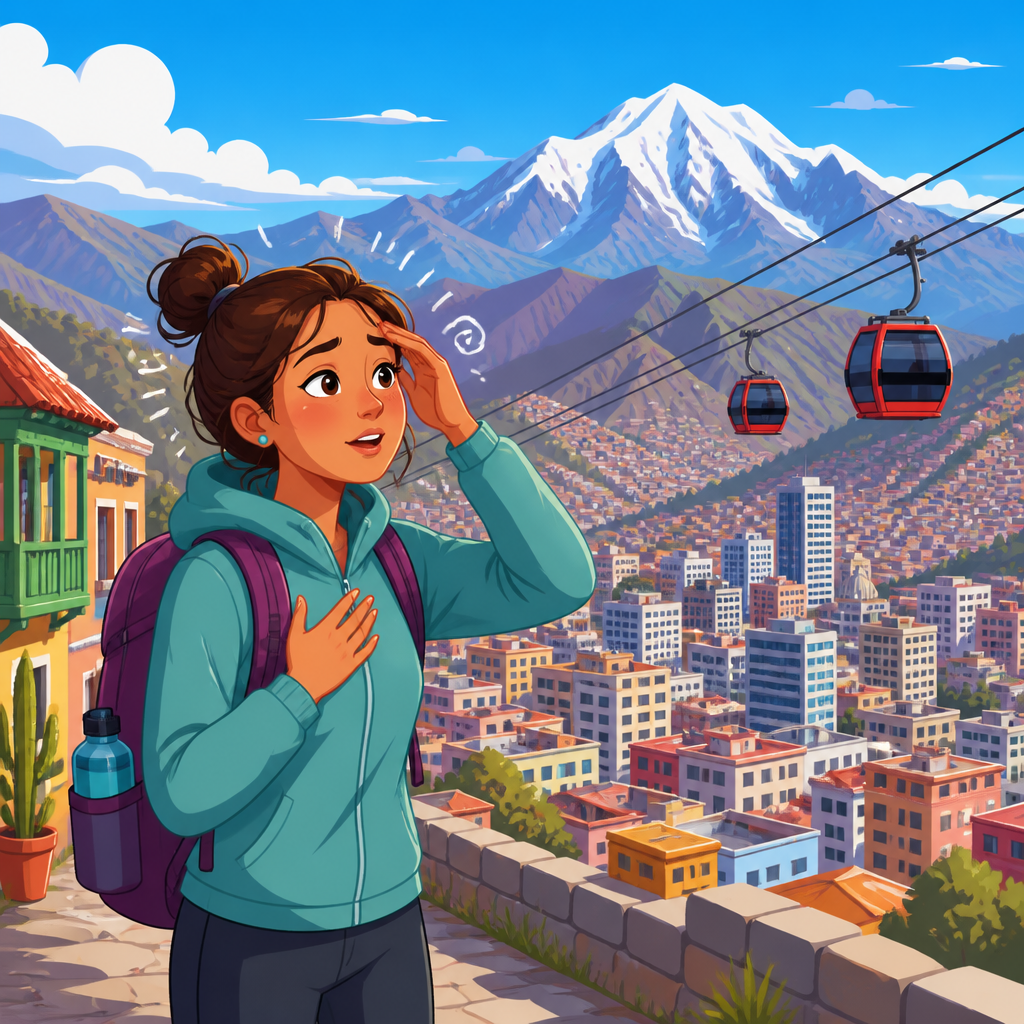
La Paz is one of the most physically demanding capitals on earth, and knowing what to expect physically when you arrive in La Paz can shape whether your first days feel exhilarating or exhausting. In practical terms, most travelers mean Bolivia’s administrative capital in the Andean highlands, where the urban basin sits around 3,600 meters above sea level and surrounding neighborhoods climb higher. That altitude changes how your body performs from the moment you step off the plane or bus. Simple actions such as carrying a suitcase, climbing stairs, taking a hot shower, eating a heavy meal, or trying to sleep can feel unexpectedly difficult. As someone who has helped travelers plan acclimatization days in high-elevation cities, I have seen the same pattern repeatedly: people prepare for weather and transportation, but underestimate how strongly thin air affects breathing, hydration, energy, digestion, and pace.
To understand the city, start with one key fact: lower air pressure at high altitude means each breath delivers less oxygen than at sea level. Your lungs still work normally, but your body must work harder to maintain oxygen supply. That is why visitors often notice shortness of breath, mild dizziness, faster heartbeat, dry mouth, or a dull headache within hours of arrival. These effects do not always mean something is wrong; they are common early responses to altitude exposure. At the same time, altitude illness is real, and the difference between normal adjustment and a developing problem matters. This guide explains both.
La Paz matters within international city guides because it combines a dramatic physical setting, dense urban life, and very specific arrival challenges. It is not enough to know where to stay or what to see. Travelers need a realistic picture of what their body may experience in the airport, on steep streets, in hotels without much heating, under intense sun, and during the first nights of sleep. They also need context for neighborhoods, transport choices, food, hydration, and warning signs that require medical attention. If you are using La Paz as a gateway to Uyuni, Lake Titicaca, Death Road, trekking routes, or onward travel across Bolivia, getting the first forty-eight hours right will improve the rest of the trip. This hub-style guide covers the physical realities of arrival, with direct answers to the questions travelers ask most.
Altitude hits first: breathing, heartbeat, and fatigue
The first physical shock in La Paz is usually the air. El Alto International Airport sits even higher than central La Paz, at roughly 4,061 meters, so many arrivals feel the altitude before they even reach their hotel. You may notice that walking across the terminal with a backpack leaves you winded. That reaction is normal because oxygen availability drops significantly at this elevation. The body compensates by increasing breathing rate and heart rate. For many people, the earliest symptoms are breathlessness on exertion, unusual tiredness, lightheadedness, and a mild headache. In my experience, even fit travelers are surprised that conditioning does not fully protect them. Strong runners from sea level can still get winded carrying luggage up one flight of stairs.
A useful rule is to cut your normal pace in half during the first day. Move slowly, avoid unnecessary uphill walks, and let your body settle before attempting sightseeing. Many hotels in hilly neighborhoods require a climb from the street, and that short ascent can feel far harder than expected. The city’s cable car network, Mi Teleférico, is valuable not only for transport but also for reducing physical strain compared with walking steep routes. If your accommodation is in Sopocachi, Centro, or near Calle Jaén, ask in advance whether there are many stairs, because staircases can be more challenging than distance itself on arrival day.
What mild altitude sickness feels like, and when to worry
Most visitors to La Paz want a straightforward answer: is feeling bad normal, or is it altitude sickness? Mild acute mountain sickness usually presents as headache plus one or more of the following: nausea, loss of appetite, dizziness, fatigue, or poor sleep. The Lake Louise Scoring system, widely used in altitude medicine, centers those symptoms. A light headache and some fatigue can improve with rest, fluids, and a quiet first day. What should worry you is progression rather than mere discomfort. Warning signs include severe or worsening headache not relieved by rest or standard pain medication, repeated vomiting, confusion, inability to walk straight, breathlessness at rest, or a wet cough. Those symptoms require prompt medical evaluation because serious altitude illnesses, while less common, can become dangerous.
Many travelers ask about coca tea, oxygen canisters, and altitude pills. Coca tea is a traditional local remedy and may make some people feel better, but it is not a guaranteed treatment. Portable oxygen can provide temporary relief, especially in hotels serving newly arrived guests, yet it does not replace descent or medical care when symptoms are significant. Acetazolamide, often sold as Diamox, is the best-known preventive medication; many travel medicine specialists recommend it for high-altitude itineraries, but it should be discussed before travel because dosage, timing, sulfa allergy concerns, and side effects matter. The safest strategy remains gradual activity, hydration, light meals, and close attention to worsening symptoms.
Hydration, dry air, and the surprising effect on your skin and throat
Another immediate physical effect of La Paz is dryness. High-altitude air holds less moisture, indoor heating can further dry rooms, and faster breathing increases fluid loss. Visitors often wake with a dry mouth, cracked lips, a scratchy throat, or minor nosebleeds. You may also notice that your skin feels tight and your eyes become irritated, especially if you wear contact lenses. The fix is simple but important: drink water steadily throughout the day rather than chugging large amounts at once, use lip balm, consider saline nasal spray, and carry moisturizer. Hydration supports acclimatization, though overhydration is unnecessary; pale yellow urine is a reasonable practical target.
It is also wise to be selective about water sources. In most cases, visitors should drink bottled, filtered, or properly treated water rather than untreated tap water. Dehydration and stomach illness are a miserable combination at altitude because both can intensify weakness and headache. If you drink coffee or alcohol on arrival day, balance them with water. A common mistake is celebrating the first night with cocktails or strong local spirits. Alcohol can worsen sleep quality, contribute to dehydration, and blur the line between a hangover and altitude symptoms. The result is often a much harder second day.
Sleep, appetite, digestion, and the first forty-eight hours
Many people arrive in La Paz expecting daytime symptoms but are caught off guard by the night. Sleep can become light, restless, or fragmented at altitude. Some travelers report vivid dreams or a sensation of waking frequently to breathe. This happens because acclimatization affects respiratory patterns during sleep. Usually, the first one or two nights are the worst, and sleep improves as the body adjusts. Keep expectations realistic: if you sleep poorly the first night, it does not automatically mean you are getting seriously sick. It is often part of the adaptation process.
Appetite often drops as well. Rich meals that would be easy elsewhere can feel heavy in La Paz on day one. I generally advise travelers to eat small, light meals at first: soup, rice, quinoa, bread, fruit you can peel safely, or simple chicken dishes. Greasy food can worsen nausea when altitude is already stressing the system. Digestion may slow, and some visitors feel bloated. A gentle start helps. By the second or third day, many people feel noticeably better and can return to normal eating patterns. If you have a food tour or a major restaurant booking planned, schedule it after an acclimatization day rather than immediately after landing.
Sun exposure, temperature swings, and how the weather feels on your body
Travelers often imagine La Paz as simply cold, but physically it is more complicated. High elevation means stronger ultraviolet radiation, so the sun can feel intense even when the air is cool. It is easy to get sunburned on a bright afternoon without realizing it, especially because dry, cool air reduces the sensation of overheating. Broad-spectrum sunscreen, sunglasses with UV protection, and a hat are not optional extras here. I have seen travelers burn badly during short viewpoint visits because they assumed mountain sunshine was harmless in mild temperatures.
Temperature swings also matter. Mornings and evenings can feel sharply cold, while midafternoon in direct sun may feel surprisingly warm. Layering is the correct strategy: a breathable base layer, insulating mid-layer, and wind-resistant outer layer work better than one heavy coat. Hotel rooms may not have the same heating standards travelers expect in North America or Europe, so pack sleepwear that handles cool nights. If you shower on arrival, remember that hot water and steam can make you feel briefly lightheaded at altitude; stand up slowly afterward, especially if you already have a headache.
Moving through the city: hills, stairs, traffic, and transportation choices
La Paz is physically taxing not only because of altitude but because of its vertical geography. Neighborhoods are connected by steep roads, staircases, and dramatic elevation changes. A route that looks short on a map can be tiring on foot. For that reason, your arrival planning should include transportation strategy, not just sightseeing priorities. Taxis and radio taxis can reduce exertion, and Mi Teleférico often turns a strenuous climb into an easy ride with remarkable views. The system is also one of the clearest ways to understand how the city stacks itself along the bowl-shaped terrain.
| Situation | What it feels like physically | Best response |
|---|---|---|
| Airport arrival in El Alto | Breathlessness carrying luggage, mild dizziness, cold dry air | Walk slowly, hydrate, avoid heavy exertion immediately |
| Walking uphill to a hotel | Rapid heartbeat, leg fatigue, need to stop often | Use a taxi or cable car when possible, rest between climbs |
| First restaurant meal | Low appetite, nausea with greasy food | Choose light dishes and smaller portions |
| First night of sleep | Restless sleep, waking often, dry throat | Hydrate, keep room air comfortable, expect partial adjustment |
Traffic and air quality can add another layer of fatigue. In busier corridors, exhaust fumes may irritate the throat, especially if the air is already dry. If you have asthma or another respiratory condition, keep rescue medication accessible and avoid overexertion in congested areas. Good arrival neighborhoods for easier adjustment are often those with straightforward taxi access, nearby restaurants, and fewer unavoidable stairs. Choosing the cheapest room on a steep side street can cost more physically than it saves financially.
Who needs extra caution: older travelers, children, athletes, and people with medical conditions
Altitude affects everyone differently, but some travelers should prepare more carefully. Older adults can acclimatize well, yet they may fatigue faster if they already have heart or lung conditions. Young children may struggle to describe symptoms clearly, so adults need to monitor behavior, appetite, unusual lethargy, and persistent vomiting. Athletes often make the mistake of assuming fitness cancels altitude stress; it does not. If anything, very active travelers are more likely to overdo it on day one because they feel confident. The body still needs time.
People with cardiovascular disease, chronic lung disease, sleep apnea, anemia, or recent respiratory infection should speak with a clinician before traveling to La Paz. Pregnancy, especially later stages or with complications, also warrants medical advice before high-altitude travel. If you use medications such as diuretics or blood pressure drugs, hydration and blood oxygen changes may require added attention. Travel insurance that covers high-altitude destinations is worth confirming in writing. In a city where exertion is built into the landscape, preventive planning is more than a formality; it directly affects safety and comfort.
How to make your arrival easier and turn La Paz into a strong travel base
The best way to arrive in La Paz is to treat the first day as part of the journey, not lost time. Build in a buffer day before demanding tours. If you are connecting to Huayna Potosí treks, mountain biking, long overland buses, or the Uyuni salt flats, resist the urge to rush. A successful first twenty-four hours usually looks like this: hotel transfer instead of public transit, check-in with minimal stair climbing, water and a light meal, a short gentle walk if you feel well, then an early night. On day two, add easy sightseeing such as museums, markets, viewpoints reached by cable car, or café stops rather than strenuous hikes.
La Paz rewards this patient approach. Once acclimatized, most travelers find the city vivid rather than punishing: mountain views, layered neighborhoods, indigenous markets, contemporary restaurants, and one of the world’s most memorable urban transit systems. Physically, the key expectation is adjustment, not perfection. You may breathe harder, sleep oddly, and tire quickly at first, but those reactions are manageable when you anticipate them. Pack layers, sunscreen, lip balm, medications you have discussed with a clinician, and enough flexibility in your itinerary to slow down. If symptoms stay mild and improve, your body is doing what it should. If symptoms escalate, seek help quickly. Arrive with respect for the altitude, and La Paz becomes not just survivable but deeply rewarding. Plan that first day well, and use this guide as your starting point for exploring the rest of Bolivia with confidence.
Frequently Asked Questions
What physical symptoms are normal when you first arrive in La Paz?
It is very common to feel the altitude almost immediately when you arrive in La Paz. At roughly 3,600 meters above sea level, the city has significantly less oxygen available than places at low elevation, so your body has to work harder right away. Many travelers notice shortness of breath after very light activity, such as walking up a slight incline, carrying luggage, or climbing a single flight of stairs. You may also feel your heart beating faster than usual, mild dizziness, a light headache, unusual fatigue, dry mouth, poor sleep, or a general sense that your body is under strain even though you are not doing much. Some people also lose their appetite for a day or two, while others feel mild nausea or a heavy, sluggish sensation in their muscles.
These early symptoms are often part of normal altitude adjustment, especially during the first 24 to 72 hours. What surprises many visitors is how ordinary tasks can suddenly feel physically demanding. A walk that would be effortless elsewhere may leave you winded, and the city’s steep streets can amplify that effect quickly. Dry air and strong sun can also add to the discomfort by increasing dehydration and making headaches more likely. If your symptoms stay mild and gradually improve with rest, hydration, and a slower pace, that usually reflects normal acclimatization. However, severe symptoms are not something to dismiss. Intense headache that does not ease, repeated vomiting, confusion, chest tightness, severe breathlessness at rest, bluish lips, or trouble walking steadily are warning signs that need prompt medical attention.
Why does La Paz feel so physically exhausting even if you are healthy and fit?
La Paz can feel exhausting because physical fitness does not cancel out the effects of high altitude. Even healthy, active people experience reduced performance when they suddenly go from low elevation to a city in the high Andes. The main reason is simple: there is less oxygen in the air at this altitude, so your lungs and heart have to work harder to deliver enough oxygen to your muscles and brain. That means your usual level of effort no longer feels usual. A short uphill walk, carrying a backpack, or rushing across a street can leave you breathing heavily much faster than expected.
The city’s terrain adds another layer of challenge. La Paz is built in a bowl-shaped valley with many neighborhoods stretching up steep hillsides, so moving around often means climbing, descending, or navigating stairs. Even if you are only sightseeing, your body is repeatedly dealing with exertion in an oxygen-poor environment. On top of that, air travel, poor sleep, dehydration, heavy meals, alcohol, and overconfidence on day one can all make the fatigue feel worse. Many travelers mistake the exhaustion for jet lag alone, but in La Paz, altitude is usually the bigger factor. The best approach is to respect the environment, not fight it. Slowing down is not a sign of weakness; it is the smartest physiological response during your first days in the city.
How long does it usually take to acclimate to the altitude in La Paz?
For many travelers, the hardest period is the first one to three days, when the body is reacting most strongly to the sudden drop in available oxygen. During that time, you may feel tired, slightly headachy, breathless with exertion, and less physically capable than normal. After a couple of days, many people begin to notice gradual improvement. Walking becomes easier, headaches fade, sleep stabilizes, and energy starts to return. That said, acclimatization is not instant, and it is not identical for everyone. Age, genetics, hydration, sleep, prior altitude exposure, recent illness, and how quickly you ascended can all influence how your body responds.
In practical terms, mild adjustment may begin within 24 to 48 hours, but more complete acclimatization often takes several days to a week or longer. You may feel “better” before you are fully adapted, which is why travelers sometimes overdo it too soon. If you arrive and immediately schedule strenuous hikes, nightlife, alcohol, or long uphill walks, symptoms can return or intensify. A good rule is to treat your first days as a transition period. Build in rest, keep your schedule light, and increase activity gradually. If you are continuing to even higher places after La Paz, remember that acclimating at 3,600 meters helps, but it does not guarantee you will feel fine at still greater elevations. Your body adapts in stages, and patience matters.
What should you do physically during your first 24 hours in La Paz?
Your first 24 hours in La Paz should be focused on reducing physical strain. Think of arrival day as a day for controlled movement, not achievement. Walk slowly, avoid carrying heavy bags any farther than necessary, and do not plan a full sightseeing schedule right after landing. If possible, take a taxi or arranged transport rather than walking uphill with luggage. Once you reach your hotel or accommodation, give yourself time to sit, breathe, and settle in. Even people who feel fine at first can become suddenly tired or headachy after a little exertion, so pacing yourself early can prevent a rough first night.
Hydration is especially important because the high-altitude air in La Paz is dry and can quietly increase fluid loss. Drink water regularly, but do not force excessive amounts all at once. Eat lightly if your appetite is low, and choose foods that are easy to digest rather than large, heavy meals. Avoid intense exercise, running, drinking too much alcohol, and staying up late if you can help it. Sleep may feel restless at first, which is normal, so rest whenever your body asks for it. Also protect yourself from the sun, because ultraviolet exposure is stronger at high altitude and can contribute to fatigue and dehydration. The first day is really about giving your body the best possible conditions to start adapting without unnecessary stress.
When are altitude symptoms in La Paz serious enough to seek medical help?
Mild symptoms such as a modest headache, feeling winded on hills, fatigue, or slightly disturbed sleep are common when you first arrive in La Paz. What matters is whether those symptoms remain manageable and start improving with time, rest, hydration, and reduced exertion. You should take things much more seriously if symptoms become intense, worsen instead of improving, or interfere significantly with basic movement and thinking. A severe headache that does not respond to rest, persistent vomiting, marked weakness, fainting, confusion, loss of coordination, or unusual difficulty breathing are not signs to simply “push through.”
Particularly important are symptoms that suggest more dangerous altitude illness, such as breathlessness while resting, a feeling of pressure or tightness in the chest, a wet cough, gurgling breathing, extreme lethargy, or mental confusion. These can indicate serious complications and require prompt medical evaluation. If you are unable to walk normally, cannot keep fluids down, or feel dramatically worse over a short period, seek help immediately. In a high-altitude city like La Paz, it is always better to be cautious than to assume a severe symptom is normal. Most visitors adjust without major problems, but knowing the difference between expected discomfort and a real medical concern is essential. If in doubt, talk to a doctor, clinic, or local medical service rather than waiting it out on your own.