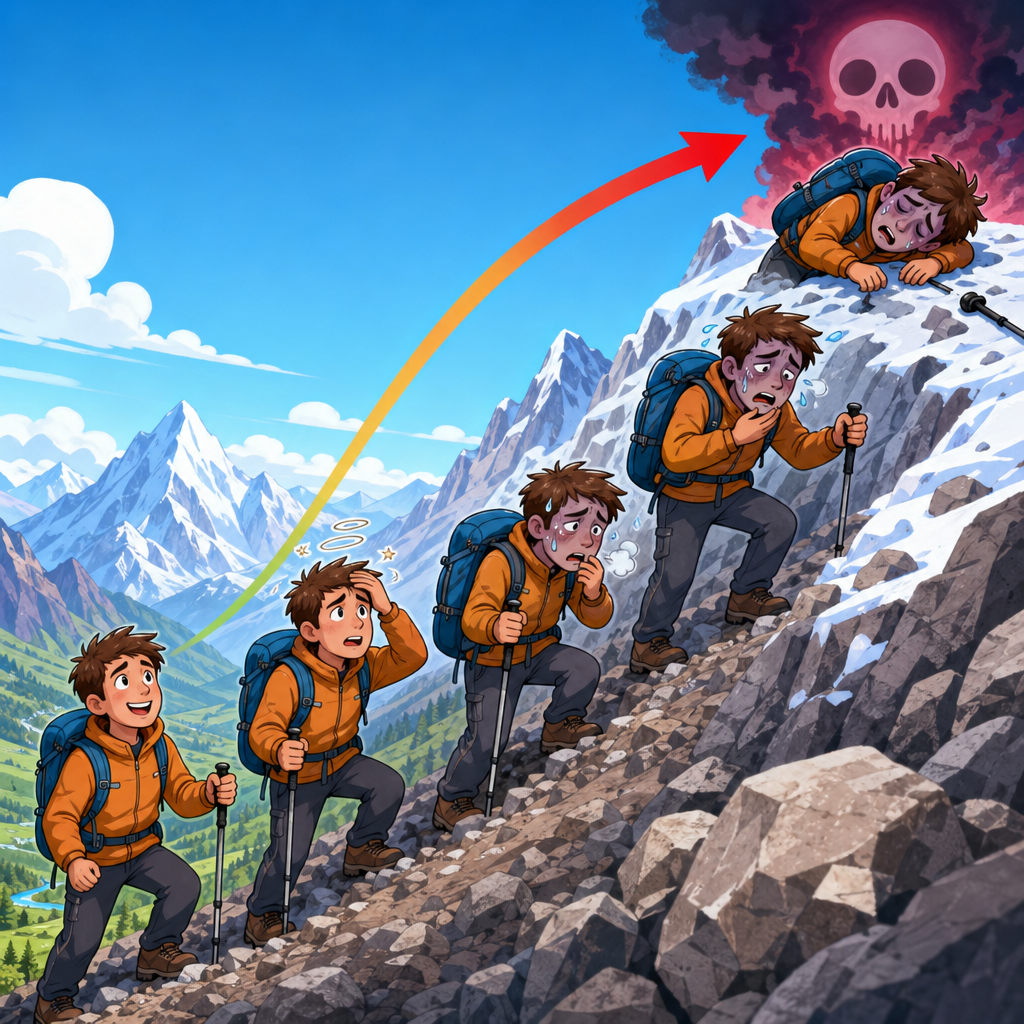
High-altitude cerebral edema, usually shortened to HACE, can turn from a mild-seeming altitude problem into a life-threatening emergency within hours if a person keeps ascending instead of descending. HACE is the severe end of altitude illness, marked by swelling in the brain caused by exposure to low oxygen at altitude, and it most often develops as acute mountain sickness worsens or after rapid ascent without proper acclimatization. In practice, I have seen the dangerous pattern repeat itself: someone develops headache, fatigue, poor appetite, or disturbed sleep, decides to “push through,” climbs higher, and then begins stumbling, thinking slowly, and acting unlike themselves. That change is not just discomfort. It is a medical crisis.
Understanding how quickly HACE can become life-threatening matters because the early window for safe action is short. Many trekkers, climbers, guides, and even fit athletes underestimate how little protection fitness gives them against altitude illness. HACE can affect beginners and experienced mountaineers alike. The condition may appear above about 2,500 to 3,000 meters, but it becomes far more likely after rapid ascent above 3,500 meters, especially when sleeping altitude rises too quickly. Key terms are important here. Ascending means gaining altitude; acclimatization is the body’s gradual adaptation to lower oxygen; AMS refers to acute mountain sickness; HAPE is high-altitude pulmonary edema, fluid in the lungs; and HACE is brain swelling from altitude exposure, often accompanied by ataxia, which means loss of coordination.
The central question is simple: how fast can HACE become fatal if you keep climbing? The answer is that progression can be alarmingly rapid. Once clear neurological signs appear, such as confusion, difficulty walking heel-to-toe, unusual behavior, severe lethargy, or decreasing consciousness, continued ascent can push someone toward coma and death the same day or overnight. HACE rarely improves while the person remains high and continues exerting themselves. Immediate descent, supplemental oxygen when available, and dexamethasone are the standard emergency responses. This article explains the timeline, warning signs, risk factors, field treatment, prevention, and how HACE fits into the broader altitude illness picture so you can recognize it early and act decisively.
What HACE is and why continued ascent makes it worse
HACE is a severe altitude illness in which the brain develops swelling because the body cannot tolerate the low oxygen pressure at high elevation. The exact physiology is complex, but the practical takeaway is clear: hypoxia triggers changes in blood flow, blood-brain barrier permeability, and fluid balance that can lead to cerebral edema. That swelling impairs brain function. The hallmark field signs are altered mental status and ataxia in a person at altitude. If you remember only one diagnostic rule, remember this: a person high on a mountain who cannot walk a straight line normally and is acting confused has HACE until proven otherwise.
Continued ascent makes HACE worse because every gain in sleeping altitude lowers available oxygen further. Exertion compounds the problem by increasing oxygen demand while fatigue, cold, dehydration, and poor decision-making reduce the margin for safety. In expeditions I have reviewed, the turning point often comes when a team interprets neurological symptoms as exhaustion. They stop for tea, wait, and then keep climbing. That is exactly the wrong direction. HACE is not treated by toughness. The definitive treatment is descent.
HACE often develops from worsening AMS, but not always in a neat sequence. A climber may complain of headache and nausea in the evening, become markedly unsteady by morning, and deteriorate into severe confusion after another few hundred meters of ascent. In some cases, HACE appears together with HAPE, which is especially dangerous because the brain and lungs are both compromised. When that combination occurs, death can follow rapidly without evacuation.
How quickly HACE can become life-threatening
HACE can become life-threatening very quickly once neurological symptoms are established. The phrase “within hours” is not dramatic wording; it is an accurate description. Early altitude illness may smolder for a day or two, but once a person with HACE keeps ascending, the descent from mild impairment to inability to self-rescue can be swift. A trekker who is still speaking coherently at breakfast may be unable to walk independently by lunchtime and semi-conscious by evening. The exact speed varies with altitude gained, sleeping altitude, exertion, coexisting HAPE, and whether oxygen or dexamethasone is given, but the trajectory is often steep.
A practical field timeline helps. At first, there may be severe headache, profound fatigue, irritability, and subtle clumsiness. Soon after, coordination becomes obviously abnormal: the person sways, misses footholds, fumbles simple tasks, or cannot perform a tandem gait test. If ascent continues, confusion deepens. Speech may become slow or slurred, judgment fails, and the person may deny anything is wrong. Next comes extreme lethargy, inability to stand, vomiting, and reduced responsiveness. Untreated, coma and death can follow. This can happen the same day after further ascent, particularly above 4,000 to 5,500 meters.
Because timelines vary, no one should wait for “classic late-stage” findings before acting. By the time someone is drowsy or disoriented, they may already be too impaired to descend safely without assistance. That is why mountaineering medicine emphasizes action at the first unmistakable neurological signs rather than observation for progression.
Symptoms and red flags that mean stop ascending now
The most important red flags are ataxia and altered mental status. Ataxia means impaired coordination. In the field, ask the person to walk heel-to-toe in a straight line. If they cannot do it and they could previously, assume HACE. Altered mental status includes confusion, unusual irritability, apathy, poor concentration, memory problems, slowed thinking, inappropriate laughter, or behavior that makes no sense for the situation. Family and teammates often notice personality change before the patient does.
Other common symptoms include severe headache, nausea, vomiting, profound exhaustion, dizziness, blurred vision, and trouble performing routine tasks such as packing gear or clipping a harness. Later signs include hallucinations, inability to sit or stand unassisted, decreasing level of consciousness, and coma. A person with HACE may insist they are fine, which is one reason teams need an agreed protocol before expeditions begin.
If breathing is also labored at rest, if there is a cough, chest tightness, or crackling in the lungs, suspect HAPE at the same time. That combination raises urgency further. Waiting to “see how they do overnight” is a common and dangerous error, especially if the person is already at a high camp where sleeping itself means continued hypoxic exposure.
Who is at risk and the common mistakes that accelerate deterioration
Anyone ascending too high too fast can develop HACE. Prior history of altitude illness increases risk, but no one is immune. Very fit people are sometimes overrepresented in rescue stories because they ascend aggressively and dismiss early symptoms. Other risk factors include sleeping altitude gains that outpace acclimatization, vigorous exertion after ascent, inadequate rest days, prior AMS, concurrent respiratory infection, dehydration, and use of sedatives that cloud symptom recognition.
The most common mistake is continuing upward with symptoms of AMS. The second is staying at the same altitude after neurological signs have appeared, hoping rest will solve it. The third is assuming age, fitness, or trekking experience offers protection. It does not. I have also seen teams fail because they split up, leaving the symptomatic person with the least experienced partner, or because they did not carry dexamethasone, pulse oximetry, or a communication plan.
| Situation | What it means | Correct response |
|---|---|---|
| Headache and nausea after ascent | Possible AMS | Do not ascend higher until symptoms resolve |
| Unsteady walking or stumbling | Strong warning for HACE | Immediate descent with assistance |
| Confusion or unusual behavior | Neurological emergency | Give dexamethasone, oxygen if available, descend now |
| Breathlessness at rest with confusion | Possible HACE plus HAPE | Urgent descent, oxygen, evacuation priority |
| Reduced responsiveness or coma | Life-threatening late stage | Emergency evacuation and maximal support |
What to do immediately if HACE is suspected
If HACE is suspected, stop ascent immediately and begin descent as soon as it is feasible and safe to move. Descent is the treatment that changes outcome. Even 500 to 1,000 meters of descent can make a major difference, though more may be needed. The patient should not continue carrying a heavy pack, route-finding, or making decisions. Assign one person to stay with them continuously and another to organize logistics, communications, and evacuation support.
Administer supplemental oxygen if available. Oxygen directly improves hypoxia and can stabilize a patient while descent is arranged. Dexamethasone is the recommended medication for suspected HACE because it reduces brain swelling and often produces visible improvement within hours, but it is not a substitute for descent. Portable hyperbaric bags, such as a Gamow bag, can be valuable where weather, darkness, avalanche risk, or terrain delay evacuation. They simulate descent by increasing ambient pressure, but again, they are a bridge, not definitive care.
Keep the patient warm, avoid overhydration, and monitor mental status repeatedly. Do not leave them alone, do not permit further ascent “for a better camp,” and do not rely on painkillers to mask progression. If there is any doubt between severe fatigue and HACE, treat as HACE until proven otherwise. In mountain medicine, overreacting early is far safer than reacting late.
How HACE is diagnosed in the field and in medical care
Field diagnosis is primarily clinical. There is no mountain-side blood test that rules HACE in or out quickly enough to guide first decisions. The classic diagnostic approach is severe altitude illness with either ataxia, altered mental status, or both in someone recently exposed to altitude. Tools such as the Lake Louise Scoring System help track AMS symptoms, but once neurological deficits appear, treatment decisions should not wait for formal scoring.
Pulse oximeters can provide context, but normal or mildly reduced readings do not exclude HACE, and low readings alone do not diagnose it. The trend and the whole clinical picture matter more. In a hospital, clinicians may use neurological examination, oxygen assessment, chest imaging if HAPE is suspected, and brain imaging when available to exclude other causes such as stroke, infection, intoxication, or traumatic brain injury. Still, on the mountain, the diagnosis is made by pattern recognition and response to altitude exposure.
This is why education matters so much in the altitude illness and acclimatization pathway. Teams that rehearse symptom checks, turn-around rules, and medication use identify HACE earlier and evacuate faster. Teams that improvise under stress often lose the critical first hours.
Prevention, acclimatization, and the broader altitude illness context
The best way to survive HACE is to prevent it. Acclimatization should be deliberate, especially once sleeping altitude climbs above about 3,000 meters. Standard advice includes limiting sleeping altitude gain, adding rest days, and avoiding a pattern of rapid ascent followed by denial of symptoms. “Climb high, sleep low” can be useful when done conservatively, but it does not erase the risk created by aggressive itineraries. Good expedition planning also includes hydration, adequate calories, cold protection, and honest symptom reporting.
Acetazolamide can help prevent AMS and support acclimatization in people ascending rapidly or with a prior history of altitude illness, but it does not make reckless ascent safe. Dexamethasone is generally reserved for treatment or specific high-risk prevention scenarios, not routine casual use. People with previous HACE, previous HAPE, or tight travel schedules should discuss individualized plans with a clinician experienced in altitude medicine before departure.
As the hub page for HACE within altitude illness and acclimatization, this topic connects directly to AMS, HAPE, acclimatization schedules, trekking pace, sleep altitude strategy, and emergency descent planning. The main point is unchanged across every subtopic: symptoms are information, not obstacles. When the brain starts to fail at altitude, time matters, altitude matters, and descent saves lives.
Key takeaways for trekkers, climbers, and group leaders
HACE is the severe brain form of altitude illness, and if a person keeps ascending after symptoms begin, it can become life-threatening within hours. The danger signs are not subtle once you know them: unsteady walking, confusion, unusual behavior, severe lethargy, and declining consciousness. These symptoms should trigger immediate descent, oxygen if available, dexamethasone when indicated, and evacuation support. Waiting for morning, pushing to the next camp, or blaming dehydration and fatigue are the mistakes that turn a treatable emergency into a fatal one.
The biggest benefit of understanding HACE is speed. Fast recognition leads to fast descent, and fast descent dramatically improves outcomes. Build itineraries around acclimatization, not ambition. Carry the right medications and communication tools. Agree in advance that anyone with neurological symptoms stops ascending without debate. If you are planning a trek or climb at altitude, review your acclimatization plan, know the warning signs, and make descent your default response to suspected HACE.
Frequently Asked Questions
How fast can HACE become life-threatening if someone keeps ascending?
HACE can become life-threatening very quickly, sometimes within just a few hours if a person continues climbing after symptoms begin. That is what makes it so dangerous. High-altitude cerebral edema is not simply a bad headache or a rough day at altitude. It is brain swelling caused by inadequate oxygen, and once that process gains momentum, the person can deteriorate with alarming speed. Someone may start with what seems like worsening acute mountain sickness, then progress to confusion, poor coordination, irrational decisions, staggering, extreme fatigue, and eventually loss of consciousness. If they keep ascending instead of descending, the reduced oxygen pressure at higher elevation can accelerate that decline.
In real-world mountain settings, the timeline is not always neat or predictable. A person might look only mildly unwell in the morning and be seriously impaired by afternoon or evening, especially after a rapid ascent, heavy exertion, dehydration, or ignoring warning signs. This is why experienced climbers and mountain medics treat any neurologic symptoms at altitude as urgent. The key point is simple: if HACE is developing, continuing to go up can turn a treatable problem into a fatal emergency within hours, not days. Immediate descent and emergency management matter far more than trying to “wait and see.”
What are the earliest warning signs that altitude illness may be progressing to HACE?
The most important early warning sign is a change in brain function, especially when it appears alongside altitude illness symptoms. A person may begin with headache, nausea, loss of appetite, dizziness, unusual fatigue, and poor sleep, which are common in acute mountain sickness. But when these symptoms worsen and are joined by confusion, clumsiness, difficulty walking in a straight line, slowed thinking, unusual behavior, or trouble performing simple tasks, concern for HACE rises sharply. One of the classic red flags is ataxia, which means poor coordination or an unsteady, staggering gait. If a person cannot walk heel-to-toe normally or seems noticeably off balance, that should be taken very seriously.
Another concerning pattern is a person who insists they are fine while clearly acting differently than usual. They may make poor decisions, speak less clearly, forget basic details, or become apathetic and hard to motivate. Friends often notice the change before the person does. Severe lethargy, repeated vomiting, increasing drowsiness, and any reduction in alertness are also dangerous signs. In practical terms, if someone at altitude has a worsening headache and is no longer thinking clearly or walking normally, you should assume HACE until proven otherwise. That is not the moment to continue ascending or to hope rest alone will solve it.
Why does continuing to ascend make HACE so much more dangerous?
Continuing to ascend makes HACE more dangerous because each gain in altitude exposes the body to even lower oxygen availability. In HACE, the brain is already struggling with the effects of hypoxia, and swelling has begun or is about to begin. As oxygen levels drop further with ascent, the brain can become more dysfunctional and the swelling can worsen. This can lead to rapidly increasing confusion, impaired judgment, collapse, coma, and death if the person is not brought down. Put simply, ascending adds fuel to the fire at exactly the time the brain can least tolerate it.
There is also a practical and psychological problem: people developing HACE often lose the ability to judge their own condition. They may deny symptoms, minimize them, or push upward despite obvious decline. That creates a dangerous loop where poor judgment caused by brain swelling leads to decisions that worsen the brain swelling. Physical exertion during ascent can add further stress, and delays in descent can become deadly when the person is no longer able to walk independently. This is why the standard response to suspected HACE is immediate descent, supplemental oxygen if available, and urgent medical help. Going higher is never the answer when neurologic altitude symptoms are present.
Can HACE happen without much warning, or does it always start as severe altitude sickness?
HACE often develops as acute mountain sickness worsens, but it does not always give a long, obvious warning period. In many cases, there is a progression: headache, nausea, fatigue, poor sleep, then worsening symptoms and the onset of neurologic changes. However, that progression can be compressed, subtle, or overlooked, especially in bad weather, darkness, group pressure, or summit-focused situations. A person may seem to have only “typical altitude issues” until they suddenly become unsteady, confused, or unusually exhausted. Rapid ascent without proper acclimatization significantly increases the risk of this happening.
It is also possible for HACE to appear in someone who did not seem dramatically ill beforehand, particularly if earlier symptoms were ignored or masked. Pain medication, determination, and inexperience can all blur the picture. That is why climbers are taught not to focus only on how severe a headache feels, but to watch for functional changes: Is the person walking normally? Are they thinking clearly? Are they acting like themselves? Those questions often reveal danger sooner than symptom scores alone. So while HACE commonly grows out of worsening altitude illness, it should never be viewed as a slow condition that always gives plenty of time. At altitude, serious deterioration can come faster than many people expect.
What should you do immediately if you suspect HACE during a climb or trek?
If you suspect HACE, the correct response is immediate descent. Do not let the person continue ascending, and do not delay because of summit plans, lodging reservations, or the hope that they will improve after a short rest. Descent is the lifesaving treatment because it increases available oxygen pressure and reduces the physiologic stress causing brain swelling. If supplemental oxygen is available, give it. If dexamethasone is available and you are trained or following medical guidance, it is commonly used as an emergency treatment to help reduce brain swelling risk while descent is underway. If a portable hyperbaric bag is available in an expedition setting, it can be an important temporary measure, but it is not a substitute for getting the person to lower altitude and definitive care.
The person should not be left alone, because mental status can worsen quickly. They may need assistance walking, and if coordination is poor, they may need to be supported or evacuated. Monitor their level of alertness, breathing, and ability to follow simple commands. Seek emergency medical care as soon as possible, since HACE can overlap with or be complicated by high-altitude pulmonary edema and other life-threatening problems. The most important takeaway is this: suspected HACE is a medical emergency, not a wait-until-morning situation. Fast recognition, fast descent, oxygen, and urgent help can save a life.