Fruit pies at altitude demand different handling because lower air pressure changes how water evaporates, how starches thicken, how sugar concentrates, and how crusts brown. If you have ever pulled a beautiful cherry pie from the oven only to watch the filling flood the pan when sliced, altitude is usually the culprit as much as the recipe. In mountain kitchens, the same formula that works near sea level often produces a runny filling, a soggy bottom crust, or fruit that collapses before the thickener has fully set. Understanding why that happens is the first step toward fixing it consistently.
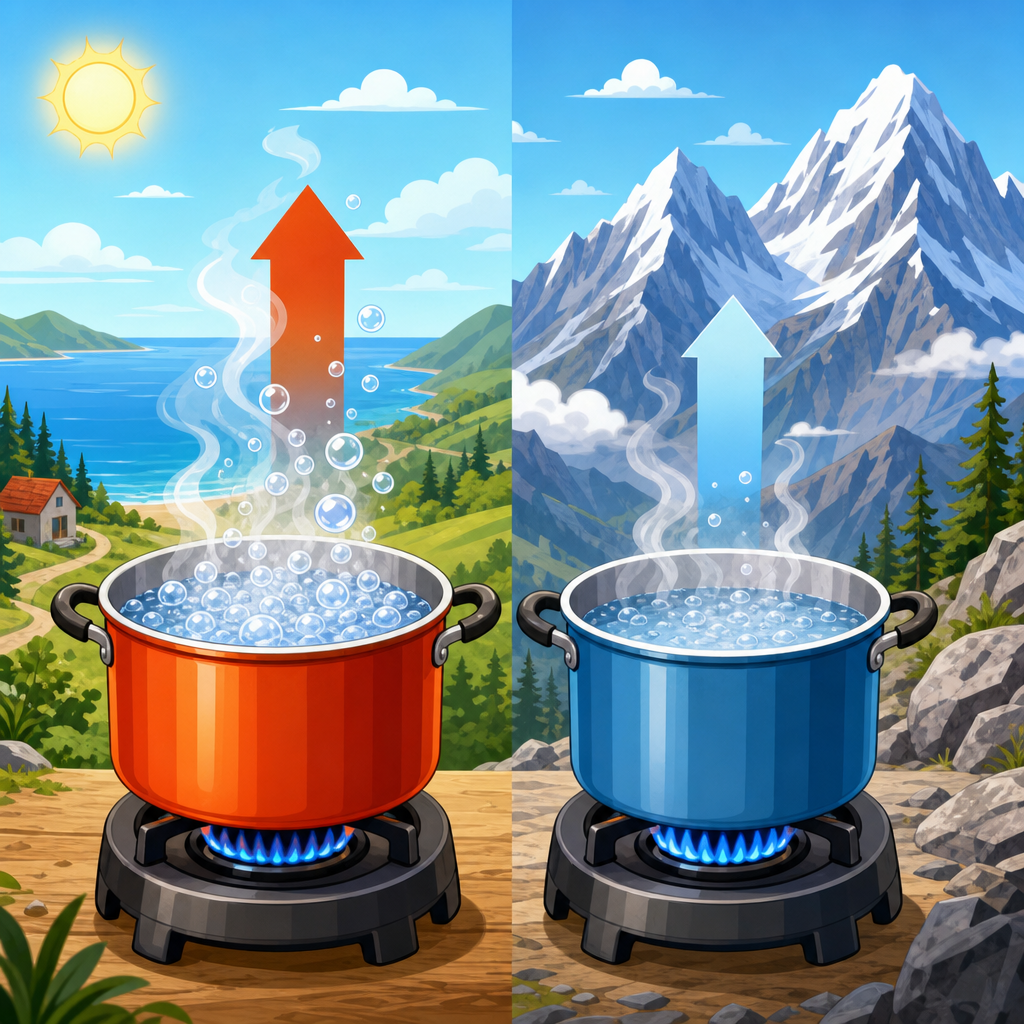
In practical terms, high altitude generally means baking above 3,000 feet, with more noticeable effects past 5,000 feet. Water boils at a lower temperature as elevation rises, so fruit releases steam faster and thickening systems behave differently. A “runny filling” is not just excess juice. It can mean under-gelatinized starch, pectin breakdown from overcooking, sugar levels that inhibit set, or a pie cut before carryover cooling finishes the structure. Across pies, pastries, and meringues, altitude exaggerates familiar problems: shrinking pastry, leaking turnovers, weeping lemon meringue, and fillings that look set in the oven but loosen on the counter.
I have tested fruit pies in both sea-level and mountain kitchens, and the biggest lesson is that altitude baking is not about one magic increase in flour or one longer bake. It is about managing moisture, heat, and timing more deliberately. This hub page covers the full “Pies, Pastries & Meringues” subtopic, with fruit pies as the core problem and related pastry techniques that support better results. You will learn which thickeners hold best, how to pre-cook fillings without making them gluey, when blind baking matters, why cooling time is nonnegotiable, and how meringue toppings need their own altitude adjustments. Used well, these methods produce clean slices, crisp crusts, and fillings that taste intensely of fruit rather than starch.
Why fruit pie fillings turn runny at altitude
The main reason fruit pies turn runny at altitude is accelerated evaporation combined with lower boiling temperatures. Fruit begins dumping juice early, but because that juice boils at a lower temperature, the thickener may not spend enough time at the heat needed for full activation before the crust reaches ideal color. Cornstarch, for example, typically thickens in the 203 to 205 degree Fahrenheit range and must stay hot long enough to gelatinize thoroughly. At altitude, bakers often pull the pie when the top looks done, even though the center has not bubbled forcefully enough to set the starch matrix.
Fruit type matters too. Berries release liquid differently from apples, peaches, or rhubarb. Frozen fruit is especially challenging because ice crystals rupture cell walls, creating more free water. Sweeteners also affect texture. Higher sugar concentrations can delay starch gelatinization and thin pectin-based systems. Acid is another variable. Sour cherries, blackberries, and rhubarb taste bright, but high acidity can weaken some thickening strategies if ratios are off. This is why a one-size-fits-all pie filling method fails most often in mountain baking.
Crust structure contributes to the impression of a runny pie. If the bottom crust absorbs liquid because it was underbaked, the filling and pastry merge into a wet layer that seems thinner than it really is. Venting also matters. Without adequate steam escape, pressure pushes liquid toward weak seams and leaves the center under-reduced. The takeaway is simple: a stable altitude fruit pie depends on matching fruit, thickener, venting, and bake time rather than changing only one variable.
Choose the right thickener for altitude fruit pies
The most reliable fix for runny fillings is choosing a thickener suited to the fruit and the bake. Cornstarch gives a glossy, clear finish and works well in blueberry, cherry, and peach pies, but it can break down if the filling is overworked or held at a boil too long. Tapioca starch, including instant tapioca, creates a slightly more elastic set and handles acidic fruits better than many bakers expect. It is one of the best all-purpose options at altitude because it tolerates moisture swings and reheats cleanly. Flour is traditional in apple pies, yet it gives a cloudier filling and usually needs more quantity, which can mute flavor. ClearJel, the modified food starch used in professional pie production, offers the most stable result for juicy fruit and is excellent for make-ahead fillings.
In my testing, the safest default at 5,000 to 7,500 feet is to increase thickener modestly rather than dramatically. Too much starch creates a pasty filling that separates as it cools. For a 9-inch berry pie, that often means adding roughly 1 extra teaspoon to 1 tablespoon of cornstarch or instant tapioca beyond a sea-level formula, depending on fruit ripeness and whether the fruit was frozen. Apples and firm pears usually need less adjustment because they release juice more slowly. Peaches often need more because they can flood the pie once heated.
| Fruit type | Best thickener | Altitude adjustment | Notes |
|---|---|---|---|
| Blueberry, cherry | Cornstarch or instant tapioca | Add 1 to 2 tsp at 5,000+ ft | Wait for center bubbles before removing from oven |
| Peach, nectarine | Instant tapioca or ClearJel | Add 2 tsp to 1 tbsp | Pre-cooking helps control heavy juice release |
| Apple, pear | Flour plus cornstarch, or ClearJel | Small increase only | Longer bake matters more than large starch increase |
| Rhubarb, blackberry | Tapioca or ClearJel | Moderate increase | Acidic fruit benefits from stable starches |
If you want the cleanest slices for lattice pies, galettes, slab pies, or hand pies, ClearJel is worth learning. It is not the same as regular cornstarch, and canning guidance from the USDA has long favored it for predictable heat stability. For home bakers, instant tapioca remains the easiest supermarket solution. Grind tapioca pearls if needed for a smoother texture. Whatever thickener you use, mix it thoroughly with sugar before it touches fruit to prevent clumping.
Methods that keep fillings set and crusts crisp
The best altitude pie method is often partial pre-cooking. Macerate fruit with sugar for 20 to 60 minutes, drain the juices, reduce those juices on the stove, then combine them back with the fruit and thickener. This concentrates flavor and lets you control water before it ever enters the crust. For peaches, strawberries, and mixed berries, reducing the juice by a third can transform a loose filling into one that slices neatly. Apple pies benefit from pre-cooking even more. Lightly sautéing apples shrinks them before baking, preventing the domed top and hollow gap that trap syrup underneath.
Par-baking the bottom crust is another high-value step, especially for custard-adjacent fruit pies, deep-dish pies, and very juicy fillings. Use pie weights, bake until the crust looks dry and just begins to color, then brush with beaten egg white or a thin layer of melted cocoa butter to create a moisture barrier. A preheated metal sheet pan or baking steel under the pie improves bottom heat significantly. Glass pie plates make doneness easy to see, while aluminum conducts heat quickly; both can work if the oven is fully preheated.
Bake until you see thick bubbles in the center, not just around the edges. This point matters more than the total minutes listed in a recipe. Edge bubbling only proves the outer ring is hot. The center must visibly bubble through the vents or lattice for the starch to set. At altitude, tent the edges with foil if needed and keep baking. Afterward, cool the pie completely, usually four hours or more. Many “runny” pies were simply cut too soon. The filling continues setting well after it leaves the oven, and refrigeration before full room-temperature cooling can create condensation that softens the crust.
Pies, pastries, and meringues: the broader altitude hub
Fruit pies sit at the center of this subtopic, but the same principles guide the rest of altitude pastry work. Double-crust pies need stronger bottom heat, balanced venting, and thicker fillings. Galettes need less filling depth, which makes them naturally easier at altitude. Slab pies require careful thickener scaling because a shallow pan evaporates moisture faster. Hand pies and turnovers need concentrated filling and tight seam sealing to prevent leaks. Puff pastry shells can become greasy if butter melts before the dough lifts, so a colder start and sharper oven spring are critical in dry mountain air.
Pastry cream and cream pies bring another set of concerns. Stovetop fillings usually set more reliably than oven-baked fruit fillings because you can directly verify temperature and thickness before assembly. For lemon meringue pie, the lemon curd base must be fully thickened before the meringue goes on. Meringues themselves are highly sensitive to altitude. Lower air pressure can increase foam expansion, but dryness and rapid moisture loss can also make the structure fragile. Swiss and Italian meringues are generally more stable than French meringue for pie toppings because their sugar is better dissolved, reducing weeping and beading.
For bakers building skill within “Cooking & Baking at Altitude,” this hub connects naturally to crust technique, blind baking, fruit preparation, laminated dough, custard management, and meringue stability. A practical path is to master one formula each for all-butter pie dough, cooked berry filling, apple filling, pastry cream, and Swiss meringue. Those five building blocks cover most pies, tarts, turnovers, and meringue-topped desserts you are likely to make at home.
Common mistakes and the fixes that work
The most common mistake is adding extra thickener without changing process. If the filling never reaches a full center boil, more starch alone will not save it. Another frequent error is using frozen fruit straight from the bag. Thaw, drain, and measure the liquid so you can reduce it or compensate with thickener. Overfilling is a close third. A mountain pie should not be packed to the point that fruit juice has nowhere to go except into the crust and onto the sheet pan.
Oven accuracy is another hidden issue. Many home ovens run 15 to 25 degrees off. Use an oven thermometer and expect longer bakes than standard recipes suggest. If crusts overbrown before fillings set, lower the rack slightly, shield the rim, and extend bake time. For convection, reduce the set temperature modestly, but still verify center bubbling visually. Do not rely on top color alone.
Finally, respect rest time. Professional bakeries often cool fruit pies overnight before slicing because starch gels stabilize as they cool. If you need a same-day pie, bake early. For clean wedges, use a serrated knife to break the top crust and a sharp slice downward, wiping the blade between cuts. These details sound small, but in altitude baking they separate a pie that merely tastes good from one that looks and serves beautifully.
Altitude does not doom fruit pies to runny fillings; it simply requires tighter control over moisture, thickening, and bake completion. Choose the thickener for the fruit, not by habit. Reduce juices when fruit is especially wet, pre-cook fillings when needed, and par-bake the crust when the filling is heavy or slow to set. Most important, bake until the center bubbles clearly and cool the pie completely before slicing. Those two steps solve a surprising share of problems.
Across pies, pastries, and meringues, the larger lesson is the same: mountain baking rewards method over guesswork. Once you understand how lower air pressure changes evaporation, structure, and heat behavior, recipes become easier to adjust with confidence. A crisp-bottom blueberry pie, a well-sealed turnover, and a stable lemon meringue pie all come from the same disciplined approach—manage water, verify doneness, and let structure set before serving.
Use this hub as your starting point for the full “Pies, Pastries & Meringues” category within Cooking & Baking at Altitude. Build your core techniques, keep notes on your elevation and oven behavior, and refine one pie at a time. With the right adjustments, altitude fruit pies can slice cleanly, hold their shape, and deliver the concentrated fruit flavor you wanted in the first place.
Frequently Asked Questions
Why do fruit pie fillings turn runny more often at high altitude?
At high altitude, lower air pressure changes the way moisture behaves in the oven. Water evaporates more readily, but fruit also releases juice differently as it heats, and the balance between evaporation, thickening, and sugar concentration becomes less predictable than it is at sea level. That means a filling can look bubbling hot on top while still not having cooked long enough for the thickener to fully activate and stabilize the juices. In many mountain kitchens, bakers are dealing with fruit that softens quickly, sugar that concentrates differently, and starches that may need more time or a slightly different amount to create a sliceable filling.
Another major reason is that many pie recipes are written and tested closer to sea level. Those formulas often assume a standard baking temperature, a standard boil behavior, and a standard thickening timeline. At altitude, the filling may need a little more thickener, a longer bake, better venting, or a longer cooling period before slicing. If you cut the pie too soon, even a properly baked filling can seem loose because the starch gel has not fully set. So the problem is not just “too much juice.” It is usually a combination of altitude, fruit type, thickener choice, bake time, and cooling time all working together.
What is the best thickener for fruit pies at altitude?
The best thickener depends on the fruit, the style of pie you want, and how much insurance you need against excess juice. For many high-altitude bakers, tapioca starch or instant tapioca is a strong choice because it creates a clear, glossy filling and holds up well with juicy fruits such as berries, cherries, peaches, and mixed fruit fillings. Cornstarch also works, but it can sometimes produce a filling that turns thin again if underbaked or if the pie sits too long in a very acidic filling. Flour is more forgiving and traditional, but it gives a cloudier appearance and generally does not thicken as efficiently as starches, which can be a disadvantage when altitude already makes fillings less reliable.
In practical terms, altitude usually rewards a slightly stronger thickening strategy than sea-level recipes suggest. That does not mean dramatically overloading the pie with starch, because too much can make the filling pasty or gummy. Instead, it is smarter to match the thickener to the fruit and then make modest adjustments. Very juicy fruits often benefit from a bit more thickener than the recipe states, while apples may need less because they release moisture differently. Many experienced bakers also prefer to mix the sugar and thickener thoroughly before tossing with fruit so the starch disperses evenly and does not clump. If you bake fruit pies regularly at altitude, keeping notes on the fruit variety, thickener used, and final texture is one of the fastest ways to develop a dependable formula for your specific elevation.
Should I precook the fruit filling before baking the pie?
Yes, precooking can be one of the most effective ways to prevent runny fruit pies at altitude. When you precook the filling, you take control of the thickening process before the pie goes into the crust. Instead of hoping the fruit releases the right amount of juice and the starch activates fully during baking, you can cook the fruit, sugar, and thickener together until the mixture visibly thickens. This gives you a much clearer sense of whether the filling is too loose, too stiff, too sweet, or too tart. It also reduces the chance that the fruit will dump excess liquid into the crust while baking.
Precooking is especially useful for very juicy or inconsistent fruits such as cherries, berries, peaches, and frozen fruit. It allows some moisture to evaporate on the stovetop, helps dissolve the sugar evenly, and ensures that the thickener reaches a full simmer, which is essential for many starches to set properly. It can also help prevent a gap between top crust and filling because the fruit shrinks before it goes into the pie rather than after. The tradeoff is that delicate fruit can lose some shape if overcooked, so the key is to heat just until the juices thicken and the fruit is partially softened, not collapsed into jam. For many bakers at altitude, a precooked filling is the most reliable route to clean slices and a crisp bottom crust.
How can I keep the bottom crust from getting soggy when baking fruit pies in the mountains?
A soggy bottom crust usually happens when too much liquid from the filling soaks into the dough before the crust has time to fully set. At altitude, this is more common because fruit fillings can stay loose longer and release juice more aggressively. One of the best defenses is to bake the pie on a fully preheated metal sheet pan or pizza stone so strong bottom heat hits the crust immediately. Glass and ceramic pie plates can work, but metal often gives the best browning and fastest setting on the bottom. Starting the pie at a higher initial temperature for a short period can also help set the crust before reducing the oven temperature to finish baking.
Other smart strategies include thickening the filling properly, avoiding excess sugar if the fruit is already sweet and juicy, and using a barrier between the crust and filling when needed. A light dusting of flour, finely ground nuts, cookie crumbs, or a thin layer of egg wash on the bottom crust can help absorb or block some of the moisture. Chilling the assembled pie before baking can also help the dough hold its structure longer. Most importantly, do not underbake the pie. A fruit pie is done when the filling bubbles actively through the vents or lattice and the bottom crust is deeply golden, not pale. If the top is browning too quickly, tent it with foil and keep baking until the bottom is truly cooked.
How long should I let a fruit pie cool before slicing at high altitude?
You should usually let a fruit pie cool completely before slicing, and at altitude that often means at least 4 hours, sometimes longer. This step is easy to underestimate, but it makes a huge difference. Even if the filling was baked correctly, the thickener needs time to finish setting as the pie cools. When the pie is still warm, the juices are more fluid and the starch network is not fully stabilized, so the filling can pour out when cut. Many bakers mistake this for a recipe failure when the real issue is simply slicing too early.
If the pie is especially juicy, such as cherry, blackberry, blueberry, or peach, an even longer rest may give better results. Place the pie on a rack and let air circulate around it so the crust stays as crisp as possible. Avoid covering it while hot, because trapped steam softens the crust and can reintroduce moisture where you do not want it. If you want the neatest slices, cool the pie completely to room temperature before cutting. For make-ahead baking, some pies are even easier to slice after a full overnight rest. In other words, cooling is not just the final step; it is part of the thickening process, and at high altitude it is every bit as important as the ingredients and bake time.