Altitude shapes biology, weather, architecture, labor, ritual, and identity, yet public understanding of it is crowded with myths that survive long after evidence has moved on. In mountain clinics, trekking briefings, school curricula, and travel marketing, I still hear the same claims repeated with confidence: everyone gets drunk faster up high, people born in the mountains all have the same bodies, boiling water means food cooks sooner, and only tourists get altitude sickness. These ideas sound harmless, but they distort real decisions about health, training, migration, tourism, and how high-altitude communities are understood. A useful starting point is definition. Altitude refers to elevation above sea level, but the mechanism that matters most for the human body is reduced barometric pressure, which lowers the partial pressure of oxygen. High altitude is commonly defined as 1,500 to 3,500 meters, very high altitude as 3,500 to 5,500 meters, and extreme altitude above 5,500 meters. Acclimatization is the short-term process by which the body adjusts over days to weeks; adaptation is the longer evolutionary pattern seen across generations in populations with long mountain histories. Distinguishing those terms matters because many myths come from mixing them together.
This topic also matters far beyond mountaineering. Roughly hundreds of millions of people worldwide live at moderate to high elevations, including major populations in the Andes, Himalaya, Ethiopian Highlands, Rocky Mountains, and Mexican Plateau. Their lives are not edge cases. They are central to agriculture, mining, border trade, pastoralism, pilgrimage routes, and urban growth in cities such as La Paz, Lhasa, Quito, Addis Ababa, and Cusco. In my own work reviewing mountain health guidance and community histories, I have seen how simplistic altitude stories flatten those places into adventure backdrops instead of living societies with technical knowledge and distinct physiological realities. Good information improves trip planning, athletic training, public health messaging, and cultural respect. It also helps readers evaluate the flood of advice online, where a half-true statement about oxygen, hydration, sleep, alcohol, or ancestry can spread quickly because it feels intuitive. The myths below persist because they usually contain one visible fact attached to a wrong conclusion. Separating those pieces is the best way to understand science and culture at altitude clearly.
Myth 1: Altitude just means less oxygen in the air
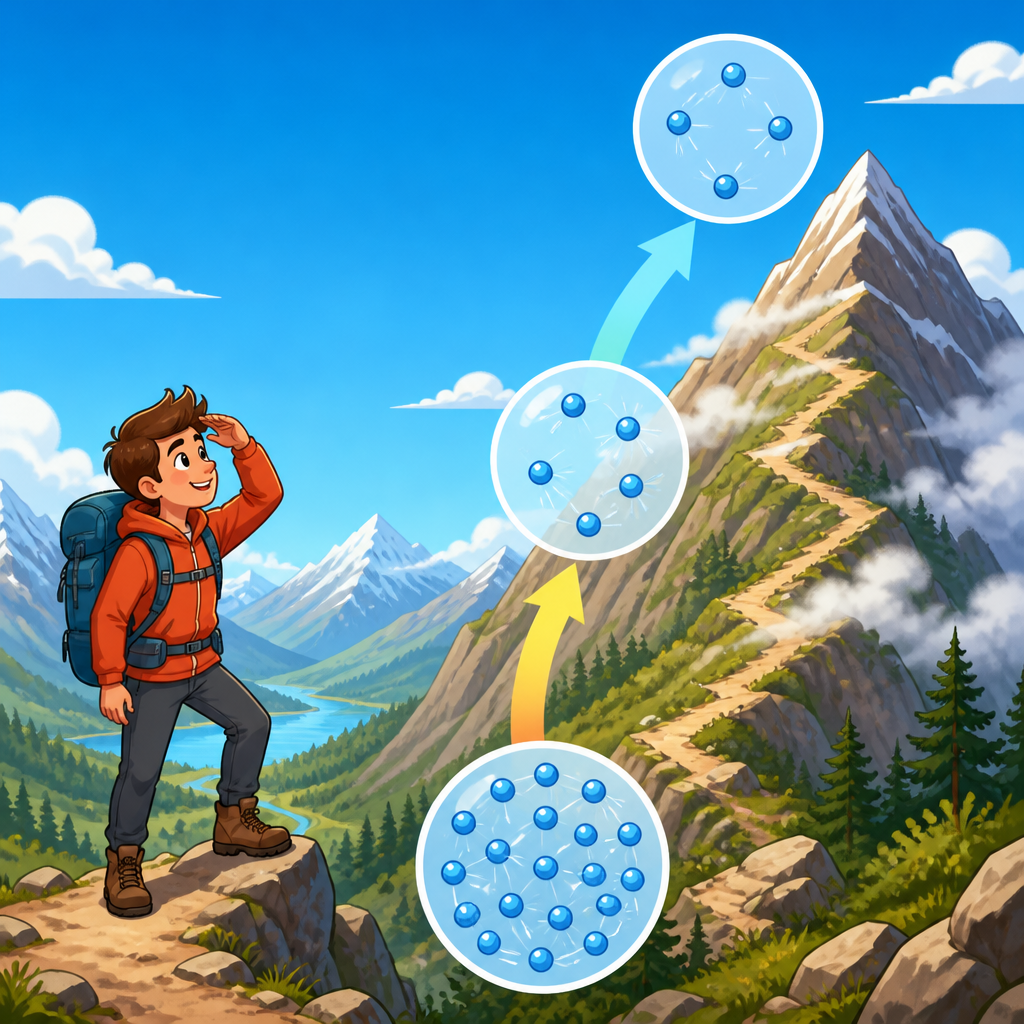
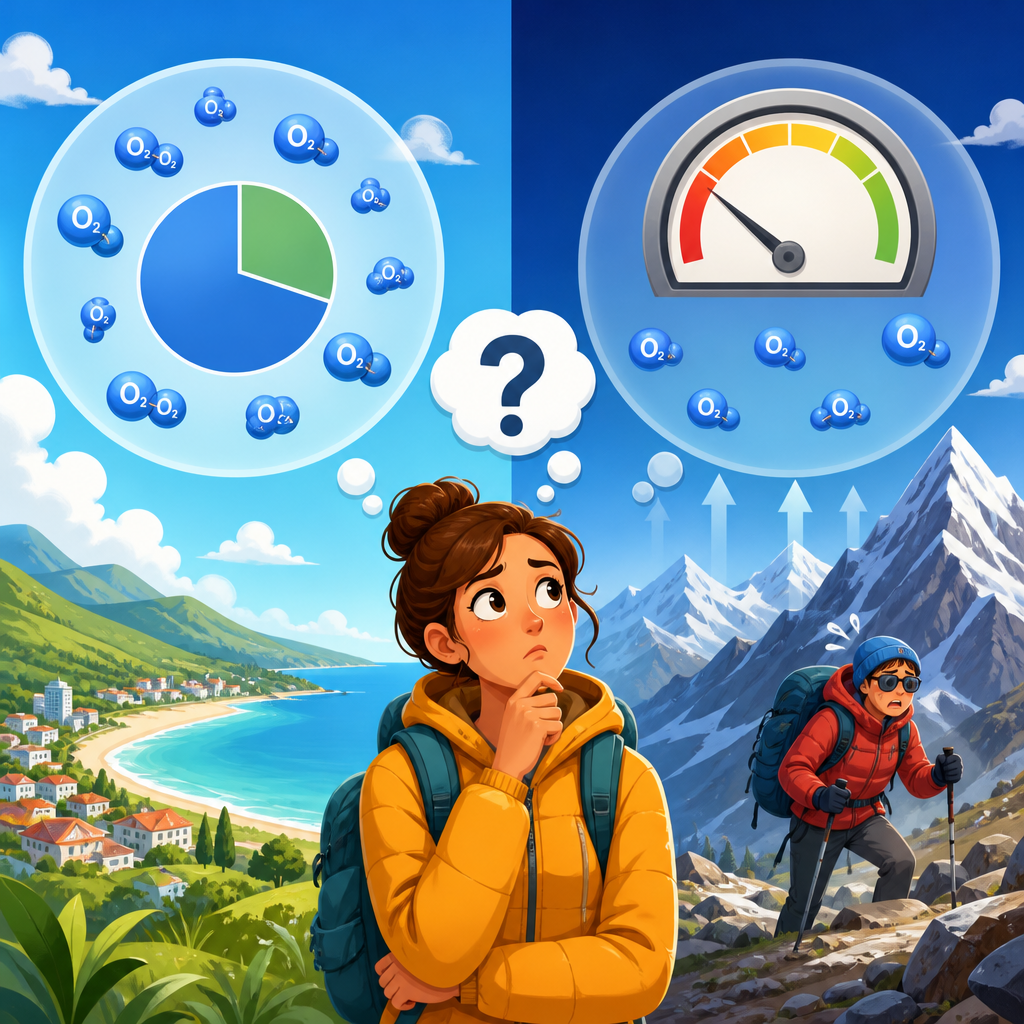
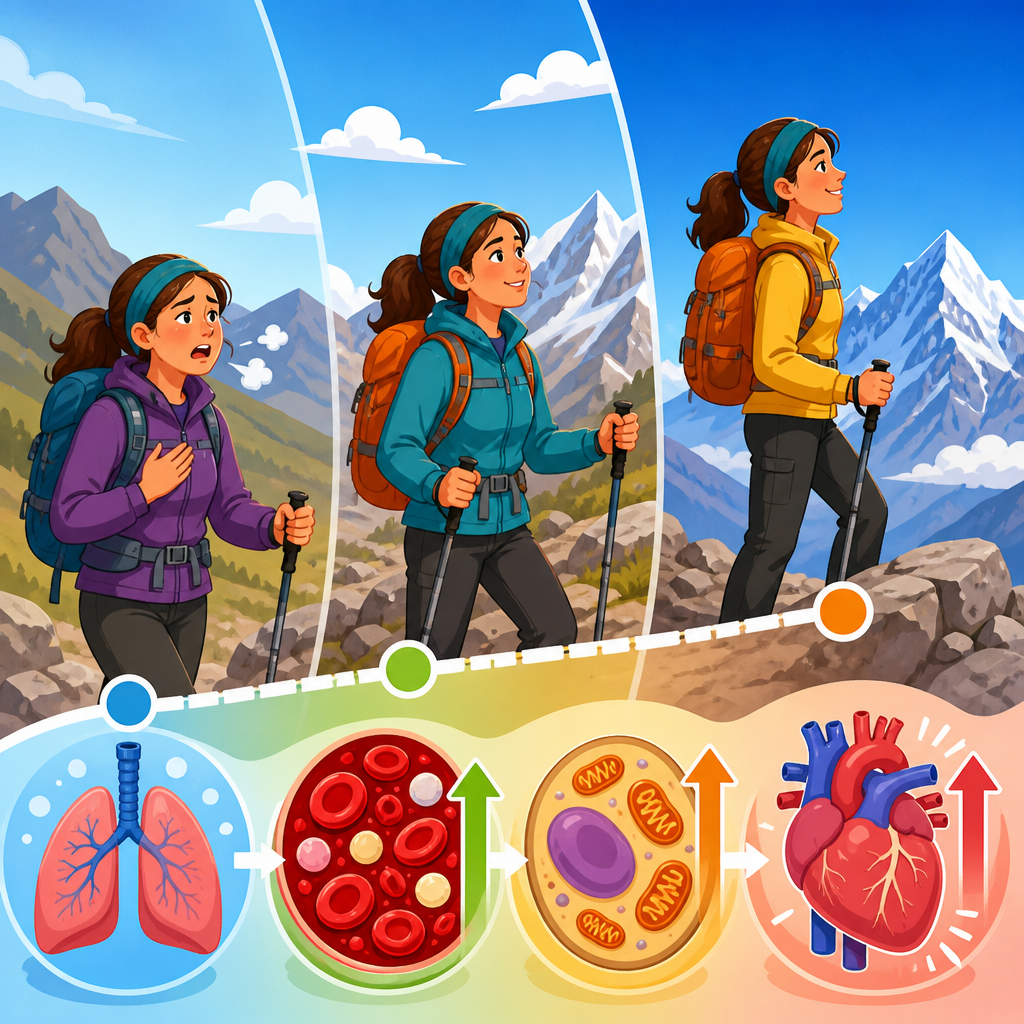
The air at altitude still contains about 21 percent oxygen. What changes is pressure. As barometric pressure falls with elevation, each breath delivers fewer oxygen molecules to the lungs because the partial pressure of inspired oxygen declines. That distinction is not academic. It explains why a canister of “oxygenated air” sold in tourist districts is not the same thing as pressure support, why acclimatization can improve performance without changing the atmosphere, and why airplane cabins are pressurized rather than filled with richer oxygen mixtures. At 3,500 meters, the lower pressure reduces oxygen availability enough to trigger faster breathing, increased heart rate, and lower arterial oxygen saturation in many people. Weather can influence this too; pressure shifts across storms slightly affect physiological stress. When people say “there is less oxygen up there,” they are using shorthand, but the more accurate phrasing is “there is less available oxygen per breath because pressure is lower.” That single correction clears up a large share of altitude confusion.
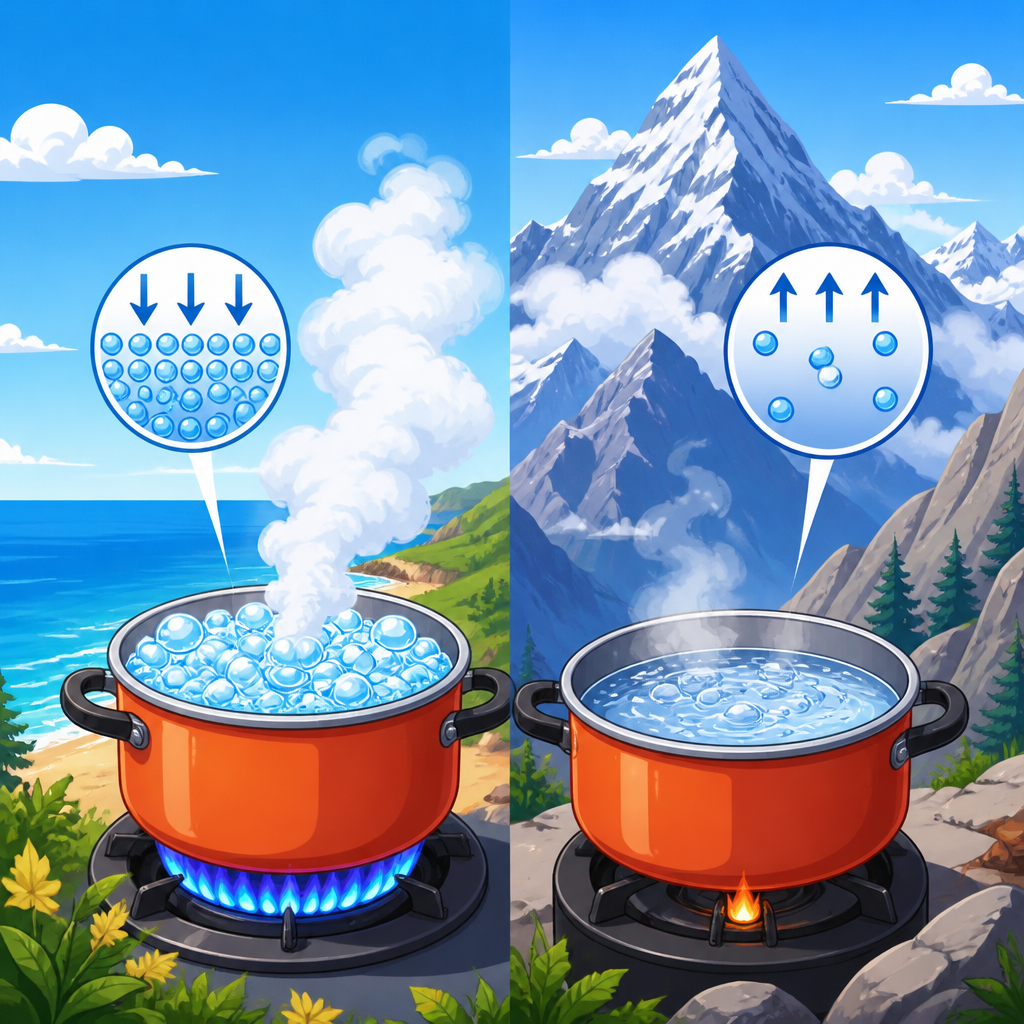
It also helps explain why altitude affects daily life beyond the body. Water boils at lower temperatures at elevation because pressure is reduced, which changes cooking times and food texture. Combustion, evaporation, and even packaging can behave differently. Mountain builders have long adjusted ventilation, insulation, and fuel use to local conditions. In other words, altitude is not just a scenic number on a map. It is a pressure environment that touches physiology, household technology, and labor routines at the same time.
Myth 2: Anyone can predict altitude sickness from fitness, age, or toughness
No simple profile predicts who will develop acute mountain sickness. The strongest risk factors are rate of ascent, sleeping elevation, previous altitude history, and exertion soon after arrival. Excellent endurance athletes get sick; sedentary travelers sometimes do fine. Youth is not reliable protection, and stoicism is irrelevant. I have seen marathoners dismiss a headache and nausea as weakness, then deteriorate because they confused fitness with acclimatization. The Lake Louise criteria, widely used in mountain medicine, focus on symptoms such as headache, gastrointestinal upset, fatigue, dizziness, and poor sleep after ascent. Severe forms include high-altitude cerebral edema and high-altitude pulmonary edema, which are medical emergencies.
The practical lesson is direct: ascend gradually, build rest or acclimatization days into the schedule, avoid sleeping too high too quickly, and pay attention to symptoms rather than ego. Many clinicians advise limiting sleeping elevation gain once above roughly 3,000 meters and adding a rest day every few days, though routes and individuals vary. Acetazolamide has a strong evidence base for prevention in appropriate cases, while dexamethasone and nifedipine have specific roles under medical guidance. The myth survives because fitness improves comfort at a given workload, but it does not erase hypobaric stress. A fit person may hike faster and therefore push into danger sooner if the itinerary is aggressive.
Myth 3: Mountain peoples are all adapted in the same way
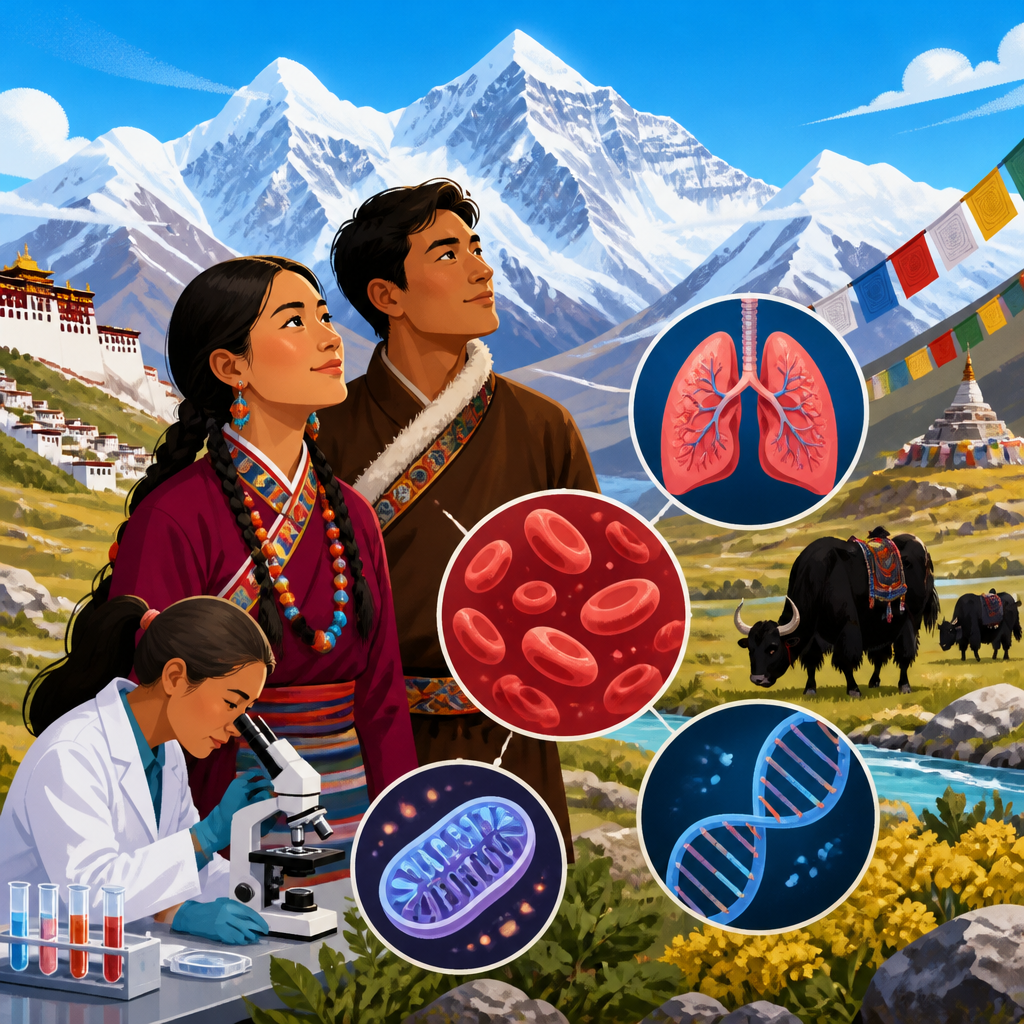
Long-resident high-altitude populations do show human adaptation, but not one universal mountain blueprint. Tibetans, Andean populations, and Ethiopian highlanders illustrate different evolutionary pathways. Tibetan populations are associated with genetic variants including EPAS1 and EGLN1 that support relatively lower hemoglobin concentrations alongside efficient oxygen use and higher ventilation. Many Andean highlanders, by contrast, often show higher hemoglobin concentrations as one response to chronic hypoxia, though that pattern is not uniform across all communities or individuals. Ethiopian highlanders present another distinct profile, reminding us that similar environments do not force identical outcomes. This is one of the clearest examples in human biology of convergent challenge producing varied solutions.
Culturally, the myth is just as damaging as the biological oversimplification. It encourages outsiders to treat mountain residents as a single type rather than communities shaped by language, diet, labor systems, migration history, religion, colonial pressure, and state policy. A Quechua-speaking farmer in the Andes, a Sherpa family in Nepal, and an Amhara household in the Ethiopian Highlands do not share one mountain identity. Their knowledge of weather, herding, farming, building, and risk management comes from particular histories. Respect starts with precision: adaptation is population-specific, and culture is community-specific.
Myth 4: You dehydrate automatically at altitude, so drink as much as possible
Altitude can increase fluid loss through faster breathing, dry air, and changes in urination, but “drink constantly” is poor advice. Overhydration can be dangerous, and forcing water does not prevent altitude illness by itself. What helps is maintaining normal hydration, monitoring thirst and urine color sensibly, replacing fluids lost through exertion, and using electrolytes when conditions warrant. In cold, windy environments, travelers often underdrink because they feel less thirsty, while athletes may overcorrect after hearing that dehydration causes every altitude symptom. Headache at altitude is not always dehydration; it may signal acute mountain sickness.
The mountain medicine approach is balanced. Eat regularly, drink enough to stay normally hydrated, and avoid using hydration as a substitute for slower ascent. Warm drinks can support comfort and calorie intake, but there is no magic volume that “flushes out” altitude stress. Guides and expedition medics often look for the full picture: ascent profile, sleep quality, appetite, urine output, respiratory rate, and symptom trend. The myth endures because hydration is easy advice to give, but easy advice is not always complete advice.
Myth 5: Alcohol always hits harder at altitude
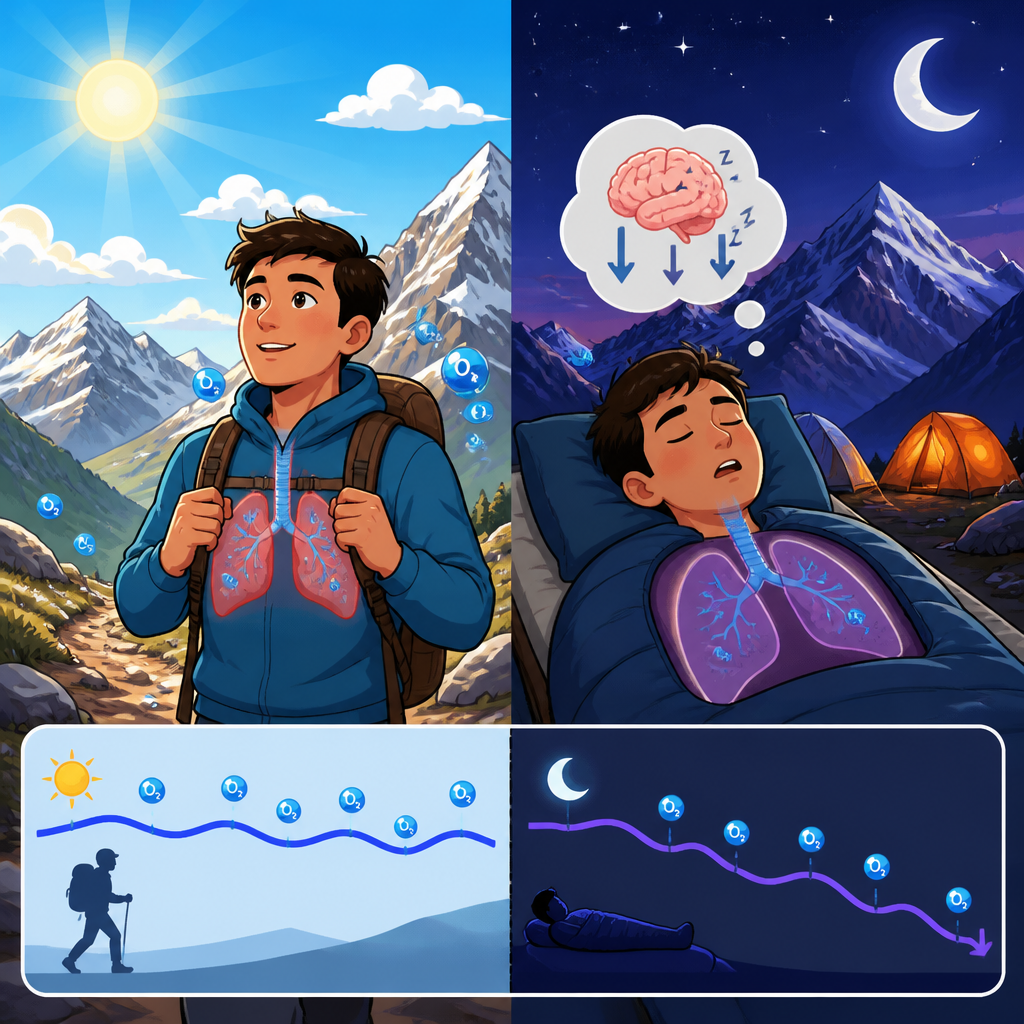
This claim is repeated so often that many people treat it as settled fact. The reality is more nuanced. Alcohol’s pharmacokinetics are not dramatically transformed simply because you are at moderate altitude, but altitude and alcohol can combine to worsen impairment, poor sleep, dehydration risk, and judgment. Some studies have found that low oxygen environments can intensify functional impairment even when blood alcohol concentration is unchanged. That distinction matters. You may not absorb alcohol vastly faster, yet you can still make worse decisions, feel more unsteady, and recover more poorly.
For travelers, the safe rule is practical rather than dramatic: be conservative with alcohol during early acclimatization, after hard exertion, or if symptoms are present. A celebratory drink on arrival at 3,400 meters may be fine for one person and a terrible idea for another who is nauseated, underfed, and sleep deprived. Community use of alcohol at altitude is also culturally varied. Ritual, hospitality, and local brewing traditions have their own meanings, so outsider assumptions about mountain drinking habits often miss social context. The myth survives because people notice stronger effects under stressful conditions and attribute all of it to altitude alone.
Myth 6: High altitude is always healthy, pure, and therapeutic
Mountain air is often described as cleaner and better for everyone, but altitude is not a universal health tonic. Some highland regions do have lower pollution than lowland cities, yet others face serious air-quality problems from mining dust, traffic, seasonal burning, indoor biomass smoke, and temperature inversions. Cold, ultraviolet exposure, limited healthcare access, and challenging transport can add risk rather than remove it. For some conditions, altitude helps; for others, it complicates management. Certain athletes use altitude strategically for training adaptations, but people with cardiopulmonary disease may need individualized guidance before travel.
The cultural version of this myth can be equally misleading. Romantic images of “pure mountain life” erase labor intensity, poverty, extraction economies, and infrastructure gaps that shape many high-altitude communities. In parts of the Andes and Himalaya, health outcomes are influenced as much by sanitation, maternal care, road access, and housing quality as by elevation itself. Good analysis never treats altitude as destiny. It is one variable interacting with political and economic systems.
Myth 7: Technology has solved altitude
Pulse oximeters, GPS watches, weather apps, portable hyperbaric bags, supplemental oxygen systems, and performance wearables have improved safety, but none make altitude simple. Consumer pulse oximeters can be useful for trend monitoring, yet they are not stand-alone diagnostic tools. Readings vary with cold hands, motion, skin perfusion, device quality, and user interpretation. A person can have a low saturation and feel stable, or a deceptively acceptable reading while clinically deteriorating. Likewise, canned oxygen sold to tourists may offer psychological reassurance more than meaningful treatment. Portable hyperbaric chambers are valuable in remote emergencies, but they are not substitutes for descent.
| Myth | What is true | Best practical response |
|---|---|---|
| Fitness prevents altitude sickness | Fitness does not predict acclimatization | Control ascent rate and monitor symptoms |
| More water prevents all problems | Hydration helps, but overhydration is risky | Drink normally and eat regularly |
| Oximeter readings tell the whole story | Numbers need clinical context | Use trends plus symptom assessment |
| Technology replaces judgment | Devices support, not replace, decisions | Prioritize descent when red flags appear |
In field settings, the old fundamentals still matter most: conservative itineraries, weather awareness, team communication, turnaround discipline, and respect for local expertise. I have watched teams with expensive devices make poor calls because they trusted numbers over obvious symptoms and route conditions. Altitude punishes certainty. Technology is useful when it reinforces sound decision-making, not when it encourages denial.
Myth 8: High-altitude culture is mainly about survival and tradition
This is one of the most persistent cultural distortions. High-altitude communities are often portrayed as timeless, isolated, and defined almost entirely by hardship. In reality, they are dynamic societies engaged with migration, tourism, digital communication, schooling, climate adaptation, labor markets, and political activism. Traditional ecological knowledge remains important, but it operates alongside smartphones, remittances, road building, new religious movements, and debates over conservation and extraction. Mountain cultures are not museum exhibits.
Examples are everywhere. In the Andes, urban highland life blends Indigenous language revival, street commerce, university education, and transnational migration. In Himalayan regions, trekking income, hydropower projects, and climate-driven glacier changes reshape local priorities. Architectural forms that outsiders label “traditional” may themselves be recent adaptations to cement, corrugated roofing, or earthquake codes. Food cultures at altitude also evolve continuously, combining local crops such as potatoes, barley, quinoa, and yak dairy with imported staples and tourism demand. Understanding science and culture together means seeing how physiology, environment, and modern change intersect in lived experience, not freezing mountain peoples in the past.
Why these myths persist and how to read altitude claims critically
Altitude myths survive because they are memorable shortcuts. They reduce complex interactions into one cause, one body type, or one rule. Marketing also plays a role. Travel companies prefer simple packing lists and dramatic warnings; wellness brands like the language of purity and recovery; adventure storytelling rewards certainty. Social media amplifies personal anecdotes that feel conclusive but may be highly situational. A traveler who got sick after one beer at 3,600 meters may sincerely believe altitude changed alcohol absorption, when fatigue, fasting, and anxiety were major factors.
A better method is to ask four questions whenever you encounter an altitude claim. What mechanism is being proposed: lower pressure, cold, exertion, dehydration, sleep loss, or something else? Does the claim refer to short-term acclimatization or long-term population adaptation? What is the context: a tourist arrival, an elite athlete, a resident miner, a pregnant person, or a child? And what is the quality of evidence: controlled studies, mountain medicine guidelines, or repeated anecdotes? This framework prevents most errors quickly.
Common altitude myths that refuse to die are not just trivia; they shape safety, policy, and respect for high-altitude communities. The reliable picture is clear. Altitude is fundamentally a low-pressure environment, not a place where oxygen vanishes. Illness risk depends more on ascent pattern than toughness or fitness. Human adaptation exists, but it is diverse across populations and should never be used to flatten culture. Hydration, alcohol, and devices all matter in context, not as magic explanations. Most important, high-altitude communities are contemporary societies with deep knowledge and changing realities, not backdrops for other people’s adventures. If you plan to travel, train, teach, or write about mountain regions, use precise language, check claims against established mountain medicine guidance, and listen carefully to local expertise. Better altitude knowledge leads to better decisions and better respect.
Frequently Asked Questions
Does everyone get drunk faster at high altitude?
Not automatically. This is one of the most repeated altitude myths, but the reality is more complicated. Alcohol does not suddenly become chemically stronger just because you are in the mountains. What changes is how your body feels and functions in a lower-oxygen environment. At altitude, especially in the first day or two, many people are already dealing with mild dehydration, poor sleep, fatigue, and the strain of acclimatization. Those effects can make a normal amount of alcohol feel harsher, impair judgment more quickly, and intensify dizziness or nausea. In other words, people may feel worse after drinking at altitude, but that does not mean the alcohol itself is acting by some magical new rule.
There is also a big difference between perception and physiology. If someone has hiked hard, eaten lightly, and is mildly dehydrated, one drink may hit them harder than expected whether they are at sea level or at 3,000 meters. Altitude can stack those stressors together, which helps explain why the myth survives. It sounds true because people often do feel off after drinking in the mountains. But the better takeaway is not that everyone gets drunk faster. It is that alcohol can combine badly with altitude-related fatigue, dehydration, and poor sleep, making its effects feel more disruptive and sometimes more dangerous.
For travelers, trekkers, and skiers, the practical advice is simple: treat alcohol more cautiously when you first go high, stay hydrated, do not use alcohol as a way to “warm up,” and never confuse the buzz from drinking with the symptoms of altitude illness. Headache, nausea, clumsiness, and unusual tiredness can come from either one, and that overlap can lead people to ignore a medical problem that needs attention.
Do all people born at high altitude have the same kind of body and physiology?
No, and this myth hides an important scientific truth: high-altitude populations are diverse, and their adaptations are not all the same. Human groups living for long periods in high mountains have faced similar environmental pressures, especially lower oxygen levels, but they have not all responded identically. Populations in the Andes, Himalaya, and Ethiopian Highlands, for example, show different patterns in blood chemistry, breathing, circulation, and even developmental traits. That means altitude adaptation is not a single biological package shared by “mountain people.” It is a range of responses shaped by ancestry, local history, diet, disease environment, migration, and time.
Some high-altitude populations tend to have higher hemoglobin levels, which can help carry oxygen in the blood. Others rely more on breathing patterns, blood flow, or cellular efficiency rather than simply making more red blood cells. Even within the same region, individuals vary a great deal. Being born at altitude does not make someone automatically immune to low oxygen, elite at endurance, or identical in body type to every other highland resident. Genetics matters, but so do childhood development, maternal health, access to nutrition, and lifelong exposure.
This myth also becomes socially misleading when it turns complex communities into stereotypes. High-altitude identity is cultural as well as biological. Architecture, labor systems, food traditions, ritual calendars, and local knowledge all reflect mountain life, but none of those should be reduced to a simplistic idea that all highlanders are built the same way. Good science and good reporting both do better when they acknowledge variation instead of forcing very different populations into one neat category.
If water boils at a lower temperature up high, does that mean food cooks faster?
Quite the opposite in many cases. At higher elevation, air pressure is lower, so water boils at a lower temperature than it does at sea level. The key misunderstanding is assuming that boiling means hotter. It does not. Once water reaches its boiling point, it cannot get hotter without being under pressure, so if that boiling point is lower, the cooking temperature is lower too. That means foods that rely on simmering or boiling, such as beans, rice, stews, potatoes, and braised meats, often cook more slowly at altitude, not more quickly.
This is why cooks in mountain regions have long developed practical adjustments. They may extend cooking times, soak legumes longer, cut ingredients smaller, use tight-fitting lids to conserve heat, or rely on pressure cookers, which raise the boiling point by increasing pressure inside the pot. In some places, entire cooking traditions reflect this environmental fact. What looks like a simple kitchen detail is actually a good example of how altitude shapes everyday life, technology, and domestic labor.
The myth persists because boiling water looks dramatic and decisive. Once people see a vigorous boil, they assume the food must be cooking faster. But visual activity is not the same as higher heat. For baking, the challenges are different but equally real: lower air pressure can affect rising, evaporation, and texture, which is why recipes often need adjustment at altitude. So while water boils sooner in the sense that it reaches its boiling point earlier, many foods take longer to become properly cooked.
Is altitude sickness something that only affects tourists and outsiders?
No. Visitors are often at greatest risk because they ascend quickly and may not be acclimatized, but altitude illness is not limited to outsiders. Anyone can develop altitude-related problems if the conditions are right. That includes local residents returning from lower elevations, workers who rotate between high and low sites, soldiers, miners, drivers, pilgrims, and even people born and raised in mountain areas under certain circumstances. Altitude physiology is not a simple insider-versus-outsider story.
Acute mountain sickness usually happens after rapid ascent to elevations where the body has not yet adapted. Headache, nausea, loss of appetite, dizziness, fatigue, and poor sleep are common symptoms. More serious conditions, such as high-altitude pulmonary edema and high-altitude cerebral edema, can be life-threatening and require urgent descent and medical treatment. Long-term high-altitude residents face their own distinct issues too. Some may develop chronic mountain sickness, a condition associated with excessive red blood cell production and ongoing problems with oxygen balance. So the notion that locals are categorically protected is medically inaccurate.
This myth can be dangerous because it encourages denial. A local guide, porter, or resident worker may dismiss symptoms because they are expected to be “used to altitude,” while a traveler may assume any unwell local person must have some unrelated problem. In reality, risk depends on altitude reached, speed of ascent, exertion, prior acclimatization, sleep elevation, individual susceptibility, and overall health. The safest approach is to take symptoms seriously in everyone, regardless of where they come from.
Does living at high altitude automatically make people healthier, stronger, or longer-lived?
Not automatically. Altitude is not a universal health upgrade, and mountain life should not be romanticized into a simple story of purity and strength. There are real benefits in some contexts. Certain populations show remarkable adaptation to lower oxygen environments, and some people may gain cardiovascular or training advantages from carefully managed time at altitude. Cooler temperatures, more daily movement, and different environmental exposures may also shape health in useful ways. But none of that means altitude itself is a guaranteed path to better health.
High-altitude living can also impose serious challenges. Lower oxygen availability increases physiological stress, especially for infants, pregnant people, older adults, and those with heart or lung conditions. Agriculture can be harder, winters harsher, and access to medical care more limited. UV exposure is often stronger, dehydration can happen faster, and heavy labor becomes more demanding. In many mountain regions, the health outcomes people experience are shaped as much by infrastructure, income, food security, and healthcare access as by elevation itself.
This myth survives because altitude is often marketed through extremes: pure air, rugged endurance, sacred landscapes, heroic climbs. Those images are powerful, but they blur the distinction between adaptation and advantage. People do not become uniformly stronger just by living higher up. What they develop is a set of responses to a specific environment, and those responses come with tradeoffs. A more accurate view is that altitude reshapes human life in many ways, but it does not hand out automatic immunity, perfect fitness, or guaranteed longevity.