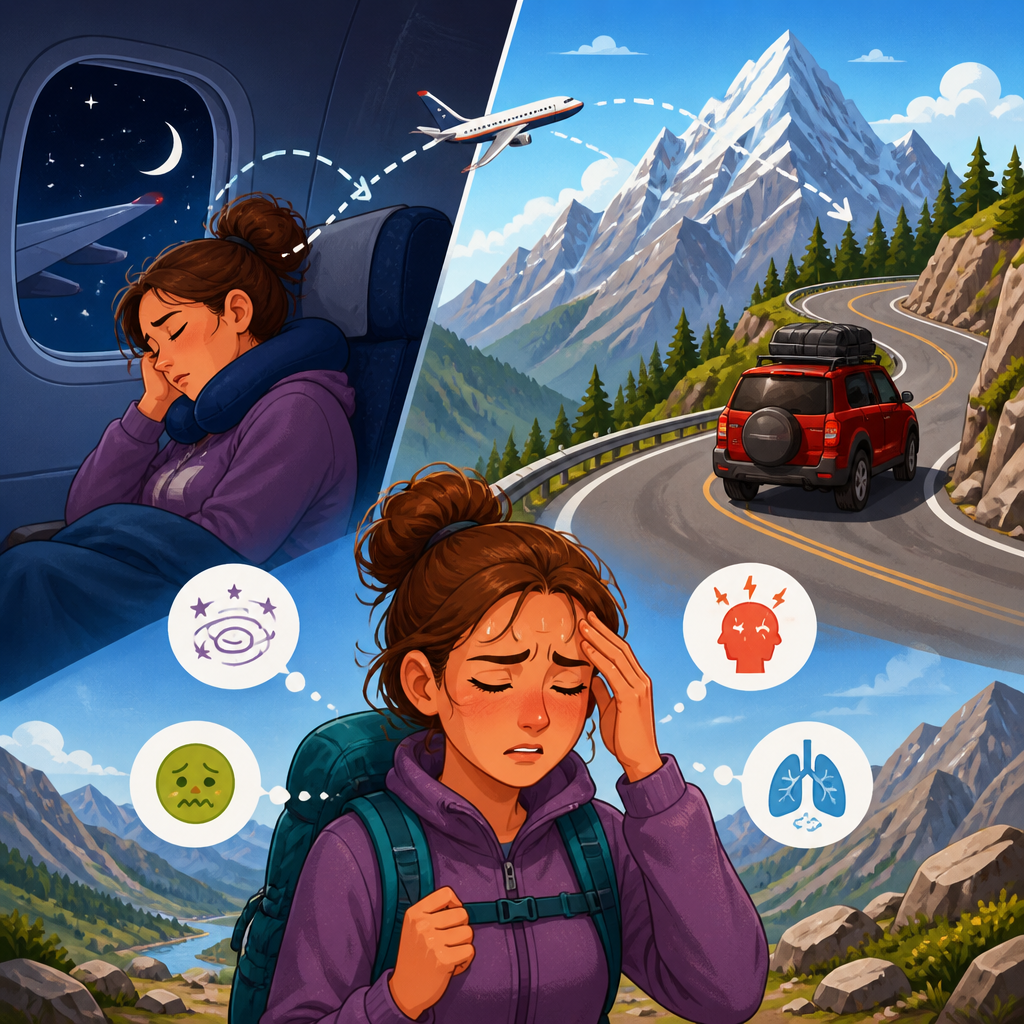
A red-eye flight followed by a rapid mountain drive can increase altitude illness risk because it combines fast ascent with sleep loss, dehydration, circadian disruption, and delayed symptom recognition. In practice, I have seen travelers blame a rough night on the plane, only to realize hours later that the real problem was acute mountain sickness starting after they reached a ski town or trailhead. For anyone planning a trip to high elevation, understanding why this travel pattern is risky is the first step toward preventing a miserable, and sometimes dangerous, first day.
Altitude illness is a group of conditions caused by reduced oxygen pressure at higher elevation. The most common form is acute mountain sickness, often shortened to AMS. Typical symptoms include headache, nausea, loss of appetite, dizziness, unusual fatigue, and poor sleep after ascent. More severe forms include high-altitude cerebral edema, or HACE, which affects the brain, and high-altitude pulmonary edema, or HAPE, which affects the lungs. Those severe illnesses are less common, but they can be life-threatening and require immediate descent and medical care.
The reason this topic matters is simple: many modern itineraries create the exact pattern that raises risk. A traveler sleeps little on an overnight flight, lands early, picks up a rental car, and drives from near sea level to 8,000 or 10,000 feet the same morning. Ski vacations, Colorado and Utah hiking trips, Andean tourism, Kilimanjaro transfers, and Nepal arrivals all fit this model. The body can adapt to altitude, but it does not do so instantly. Acclimatization takes time, and the first twenty-four to forty-eight hours after arrival are when people most often discover whether their plan was realistic.
Risk is not determined by altitude alone. The speed of ascent is the strongest predictor, but prior acclimatization, sleeping altitude, recent exertion, alcohol intake, individual susceptibility, respiratory infection, and medication choices also matter. A red-eye matters because it tends to worsen several of those variables at once. Sleep deprivation can amplify headache and nausea, dry cabin air promotes fluid loss, and a disrupted schedule can make a person push too hard instead of resting. That combination does not guarantee AMS, but it shifts the odds in the wrong direction.
Why a Red-Eye Plus a Mountain Drive Raises Risk
The main driver of altitude illness is rapid ascent to a higher sleeping altitude. Commercial aircraft cabins are pressurized, but not to sea level. Most are effectively pressurized to the equivalent of roughly 6,000 to 8,000 feet, which is noticeable for some passengers but usually not enough, by itself, to cause true altitude illness in healthy people. The real issue begins after landing, when the traveler may continue upward by car to an elevation where AMS becomes common, often above about 8,000 feet, especially if that altitude is reached in a single day.
Several travel stressors stack on top of the ascent. Overnight flights often reduce total sleep time and fragment the sleep that does occur. Sleep loss makes symptoms such as headache, irritability, and fatigue more intense, which can both mimic AMS and mask it. Dry aircraft air increases insensible water loss, and travelers often drink coffee, alcohol, or too little water. None of those factors directly causes AMS the way ascent does, but they can lower resilience and make early symptoms feel worse. In real trip planning, that distinction matters: dehydration is not the root mechanism of AMS, yet a dehydrated, exhausted traveler is often the one who tips into a bad first night at altitude.
Another overlooked factor is decision quality. After a red-eye, people commonly underestimate exertion. They arrive in the mountains and decide to ski hard, take a long hike, or unpack and run errands instead of resting. Exertion right after ascent does not create altitude illness from nothing, but it can aggravate symptoms and make the body’s adjustment harder. The first night is especially important because sleep quality at altitude is often worse than expected, even in healthy people, due to periodic breathing and the new environment.
AMS Basics: What It Is, When It Starts, and What It Feels Like
AMS usually begins six to twelve hours after ascent, though onset can vary. The hallmark symptom is headache in a person who recently went higher. That headache is usually accompanied by one or more of the following: nausea, vomiting, poor appetite, lightheadedness, unusual fatigue, weakness, or disturbed sleep. Symptoms are often worse overnight and the following morning. Mild AMS is common and frequently improves with rest, hydration guided by thirst, lighter activity, and time at the same elevation. Continuing to ascend with symptoms, however, is a classic mistake.
Diagnosis in the field is practical rather than fancy. If someone has recently ascended and develops a headache plus typical associated symptoms, treat altitude as the leading explanation unless another cause is clearly more likely. The Lake Louise scoring system is the best-known standardized symptom tool for research and guided self-assessment. It helps travelers and clinicians describe severity consistently, but the core decision remains simple: if symptoms started after ascent, assume AMS until proven otherwise, and do not keep going higher while the person feels worse.
Two severe altitude illnesses need special attention. HACE is usually an extension of severe AMS and may present with confusion, poor coordination, altered behavior, or extreme lethargy. A person who cannot walk heel-to-toe normally or seems mentally off at altitude should be treated as an emergency. HAPE is different: it typically causes breathlessness out of proportion to effort, reduced exercise tolerance, cough, chest tightness, and sometimes crackles or pink frothy sputum. Either condition requires immediate descent, oxygen if available, and urgent medical care.
Who Is Most Likely to Get Sick at Altitude
Past history is one of the strongest predictors. If you have had AMS before at a given elevation and ascent rate, your risk is higher on a similar trip. The next major predictor is how high you sleep and how fast you get there. A fit thirty-year-old who flies into Denver and sleeps that night at 9,500 feet may be at greater risk than a sedentary older traveler who spends two nights at 5,000 feet first. Physical fitness helps with hiking performance, not with protection from AMS. I routinely remind athletic travelers that lung-burning workouts at sea level do not equal acclimatization.
People coming from low elevation are generally at higher risk than those who already live or recently stayed at moderate altitude. Prior acclimatization fades over days to weeks, so a trip taken a month after a mountain vacation should not be treated as protected. Children can get AMS, and so can older adults. Age alone is not a reliable shield. Migraine sufferers may find altitude headaches harder to interpret, and anyone with a viral illness, poor sleep, or significant fatigue may have a rougher adjustment.
Underlying medical conditions add nuance. Well-controlled asthma does not automatically increase AMS risk, but poor respiratory reserve can make symptoms harder to tolerate. Chronic heart or lung disease, sickle cell disease, pregnancy, and use of sedatives or opioids deserve individualized planning with a clinician familiar with altitude. Acetazolamide, the most established preventive medication, is effective for many travelers, but it is not a substitute for sensible ascent. It works best when matched to a risk profile rather than used casually at the last minute.
| Risk factor | Why it matters | Example |
|---|---|---|
| Rapid ascent | Strongest driver of low-oxygen stress before acclimatization begins | Landing in Salt Lake City and sleeping in Park City the same day |
| High sleeping altitude | Symptoms track most closely with where you spend the night | Choosing a lodge at 10,000 feet instead of a town at 7,000 feet |
| Prior AMS history | Suggests individual susceptibility under similar conditions | Getting sick every first night in Breckenridge |
| Sleep deprivation | Worsens fatigue, headache, judgment, and recovery after ascent | Taking a nonstop overnight flight then driving straight to a resort |
| Immediate hard exertion | Can aggravate symptoms during the vulnerable first day | Doing a summit hike within hours of arrival |
How to Lower Risk When Your Itinerary Is Fixed
The best prevention strategy is gradual ascent. If possible, sleep the first night at a lower elevation and go higher only after a day or two. When that is not possible, reduce every other stressor you can control. On the red-eye itself, treat sleep as a performance task: eye mask, earplugs, neck support, and a realistic plan to limit screen time and alcohol. Drink fluids regularly, but do not force excessive water. Overhydration will not prevent AMS and can create its own problems. Eat normally, favor carbohydrates if that feels easiest, and avoid arriving already depleted.
Once you land, build a buffer before climbing. If your destination is a mountain town, have breakfast, move around gently, and consider a short rest rather than driving immediately if you are severely sleep deprived. On arrival, keep the first day light. Skip the intense workout, the celebratory drinks, and the race to the highest scenic overlook. If you develop a headache plus nausea or unusual fatigue, stop ascending. Rest, monitor symptoms, and consider treatment early instead of trying to tough it out.
Medication can help, especially for people with prior AMS or unavoidable rapid ascent. Acetazolamide is the standard preventive option supported by wilderness medicine guidance. It speeds acclimatization by inducing a mild metabolic acidosis that stimulates breathing. Common preventive dosing for adults is lower than many people expect, and side effects can include tingling, altered taste for carbonated drinks, and increased urination. Dexamethasone can prevent AMS in select situations but does not aid acclimatization the way acetazolamide does, so it is usually reserved for specific cases. Ibuprofen may reduce symptoms for some travelers, but it should not be your only plan if risk is high.
When Symptoms Mean You Should Stop, Descend, or Seek Help
A mild altitude headache after arrival is common, but worsening symptoms are the warning sign. Do not ascend higher if you have AMS symptoms. If you feel better after rest and a night at the same elevation, cautious activity may be reasonable. If symptoms persist, intensify, or include repeated vomiting, severe weakness, shortness of breath at rest, confusion, or trouble walking straight, descend. Descent is the definitive treatment because it directly increases available oxygen pressure. Even a drop of 1,000 to 3,000 feet can make a major difference.
Supplemental oxygen, if available, is highly effective for severe symptoms and can stabilize someone while descent is arranged. Portable hyperbaric bags are used in remote expeditions where immediate descent is delayed, but they are not typical for resort travel. Pulse oximeters can be useful context tools, yet they are not diagnostic by themselves because readings vary widely among healthy people at altitude. I have seen travelers fixate on a number while ignoring an obvious clinical picture. How the person looks, thinks, walks, and breathes matters more than a single device reading.
For mountain destinations with easy road access, the threshold for descending should be low. If someone arrives after a red-eye, develops a headache, skips meals, vomits, and cannot participate normally by evening, that is not the time for optimism. Move lower, rest, and reassess. Most cases improve quickly with descent and time. The danger comes from delay, pride, or the assumption that one more night will fix a pattern that is clearly worsening.
Smart Planning for the First Forty-Eight Hours at Altitude
The safest version of a mountain trip starts before departure. Know your target sleeping altitude, not just the elevation of the airport. Map the route from arrival to hotel or trailhead. If the overnight flight is unavoidable, ask whether you can spend the first night lower, even if it adds a short drive the next day. For ski trips, that might mean sleeping in Denver, Salt Lake Valley, or a lower foothill town before moving up. For trekking, it may mean adding a buffer day in a gateway city or lower village rather than trying to “bank time” with an aggressive transfer.
Plan the first two days around adaptation, not ambition. Keep exercise conversational, prioritize sleep opportunity the second night, and watch for the pattern of headache plus gastrointestinal symptoms or unusual fatigue. Discuss a simple group rule before the trip: no one ascends with symptoms, and anyone with neurological changes or breathing difficulty descends immediately. That single agreement prevents many bad decisions. If you are building a larger altitude illness and acclimatization strategy, this is the foundation: respect sleeping altitude, respect ascent rate, and treat the red-eye-plus-drive combination as a real risk amplifier, not just a travel inconvenience.
The bottom line is clear. Yes, a red-eye flight followed by a mountain drive can increase altitude illness risk, mostly because it encourages rapid ascent under conditions that make symptoms more likely and harder to manage. The good news is that the risk is modifiable. A lower first night, lighter first day, early recognition of AMS, and appropriate use of preventive medication can dramatically improve the odds of a successful trip. If you are planning travel to elevation, review your first forty-eight hours now and redesign them before you book the fun part.
Frequently Asked Questions
Does a red-eye flight followed by a mountain drive really increase the risk of altitude illness?
Yes. This travel pattern can meaningfully raise the risk of acute mountain sickness because it stacks several stressors at once. The biggest issue is rapid ascent. If you fly overnight and then drive straight to a ski town, mountain lodge, or trailhead at high elevation, your body has very little time to adapt to the lower oxygen levels. On top of that, red-eye travel often comes with poor sleep, dehydration, disrupted meals, alcohol or excess caffeine, and a general feeling of fatigue. Those factors do not directly “cause” altitude illness on their own, but they can make you less resilient and more likely to notice symptoms later and more severely.
Another problem is that the symptoms can be easy to misread. Headache, nausea, dizziness, poor appetite, and unusual tiredness are common after overnight travel, so many people assume they are simply jet-lagged, hungover, dehydrated, or exhausted from being awake all night. In reality, those can also be the earliest signs of acute mountain sickness. That overlap matters because delayed recognition often leads people to keep going higher, exercise too hard, skip hydration, or avoid resting when they should be slowing down. In practical terms, a red-eye followed by a fast climb to altitude is risky because it compresses the time your body needs to acclimatize while masking the warning signs you need to pay attention to.
Why does sleep loss and overnight travel make altitude problems harder to recognize?
Sleep deprivation muddies the picture. After a red-eye, it is completely normal to feel foggy, irritable, headachy, mildly nauseated, and physically drained. Those are also classic early altitude illness symptoms. Because the two experiences overlap so much, travelers often rationalize what they are feeling and keep pushing through. Someone may arrive in the mountains, feel awful, and say, “I just need a nap,” when the more accurate explanation is that they are developing acute mountain sickness. By the time they realize it is not just travel fatigue, they may have already spent hours at a higher altitude or started outdoor activity that worsened the situation.
Overnight travel also disrupts normal self-monitoring. People eat at odd hours, drink less water than usual, and may use caffeine to stay awake or alcohol to sleep on the plane. Their judgment can be off, and they may underestimate how poorly they feel. That matters because early altitude illness is often managed best by recognizing it quickly, stopping further ascent, resting, and monitoring symptoms closely. If delayed recognition leads to more climbing, skiing, hiking, or exertion, the condition can intensify. The key point is not that a bad night of sleep directly causes altitude illness, but that it lowers your margin for error and makes it easier to miss the early warning signals.
What symptoms after arriving at high elevation should not be dismissed as “just the flight”?
Be especially careful with a persistent headache after reaching altitude, particularly if it comes with nausea, loss of appetite, unusual fatigue, dizziness, or poor sleep. Those are hallmark features of acute mountain sickness. A mild headache after travel can have many causes, but once you are at elevation, headache plus other symptoms deserves attention rather than dismissal. If you notice that symptoms worsen as the day goes on, get worse with exertion, or improve only when you stop activity and rest, that also raises concern that altitude is playing a role.
There are also more serious warning signs that should never be brushed off. Shortness of breath at rest, chest tightness, confusion, trouble walking straight, severe weakness, repeated vomiting, blue lips, or an unusual cough can suggest a more dangerous altitude-related problem and require urgent medical evaluation. Even when symptoms are milder, the safest mindset is this: if you flew overnight, drove quickly to a higher elevation, and now feel worse than expected, do not assume it is only fatigue. Treat altitude illness as a real possibility until you have a good reason not to. That shift in thinking can prevent people from making the common mistake of continuing upward when their body is already struggling to adapt.
How can travelers reduce the risk if they have to take a red-eye and go into the mountains soon after?
The most effective strategy is to slow the ascent whenever possible. If your itinerary allows it, spend the first day or night at a lower elevation before sleeping higher. Even a modest adjustment in sleeping altitude can help. Once you arrive, keep the first 24 hours easy. Avoid intense exercise, heavy drinking, and the temptation to “make the most of the day” with a hard ski session, big hike, or long run. Rest, hydrate steadily, eat normally, and give your body time to adjust. If you are very sleepy from the flight, that is a reason to be more conservative, not less.
Hydration matters, though it should be approached sensibly rather than obsessively. Air travel is drying, and many travelers arrive mildly dehydrated, which can worsen headaches and make the whole situation feel worse. Drink fluids regularly, eat meals with carbohydrates and salt as appropriate, and limit excess alcohol. If you know you are prone to altitude illness, discuss prevention with a clinician before the trip. In some cases, preventive medication such as acetazolamide may be appropriate, especially if you are ascending quickly to a sleeping altitude where symptoms have affected you before. Most importantly, build flexibility into your plans. A red-eye plus mountain drive is not the ideal setup for performing at your best, so schedule your most demanding activities after you have had time to recover and acclimatize.
If symptoms start after the drive to altitude, what should someone do right away?
First, stop going higher. That is the immediate priority. If you suspect acute mountain sickness, avoid further ascent until symptoms clearly improve. Rest, reduce exertion, hydrate, eat if you can, and monitor how you feel over the next several hours. Mild symptoms sometimes settle with rest and time, especially if you stay at the same elevation or move lower. Over-the-counter pain relief for headache may help, but it should not be used to mask worsening illness while you continue climbing or exercising. If symptoms are not improving, if they are getting worse, or if the person cannot function normally, the safest next step is descent.
Urgent medical care is needed for any red-flag symptoms such as confusion, severe lethargy, inability to walk normally, shortness of breath at rest, persistent vomiting, or signs of worsening breathing problems. These can indicate more serious high-altitude complications and should not be managed casually. For many travelers, the biggest mistake is assuming they just need to “tough it out” because they slept badly on the plane. Altitude illness does not improve with willpower. When symptoms begin after rapid ascent, especially after a red-eye and mountain drive, the right response is to take them seriously early, pause the itinerary, and choose caution over momentum.