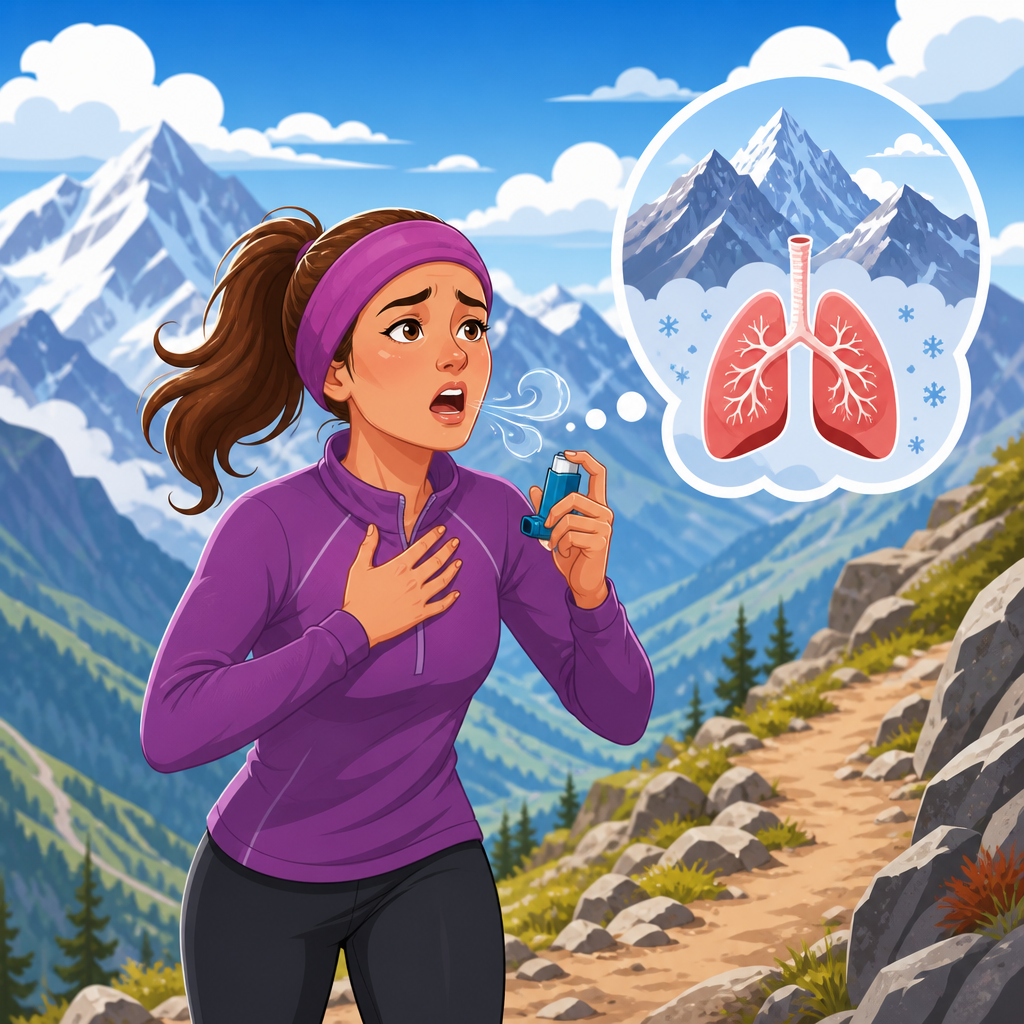
Heart failure changes the way the body handles oxygen, fluid balance, exertion, and sudden shifts in environment, which is why mountain travel deserves careful planning and clear guidance from your cardiologist. In this context, heart failure means the heart cannot pump enough blood to meet the body’s needs or can do so only at higher filling pressures, while mountain travel usually refers to trips to moderate or high altitude, where air pressure drops and less oxygen is available with each breath. Many travelers assume altitude concerns belong only to lung disease or elite climbing, but I have seen routine ski holidays, hill-station weddings, and scenic train trips trigger symptoms in people whose condition seemed stable at sea level. The issue is not fear; it is physiology. At altitude, the body responds with faster breathing, higher heart rate, and changes in blood vessel tone, all of which can stress a heart already working near its reserve. That matters whether you have reduced ejection fraction, preserved ejection fraction, a history of fluid overload, valve disease, pulmonary hypertension, or an implanted device. It also matters if you take diuretics, beta blockers, ACE inhibitors, ARNI therapy, anticoagulants, or oxygen. This guide covers the practical questions to ask before you book, pack, and go.
Mountain travel can still be possible for many people with heart failure, but safe decisions depend on details your cardiologist knows better than any generic travel checklist. Altitude level, speed of ascent, sleeping elevation, temperature, infection risk, access to emergency care, and the kind of activity planned all influence risk. A patient spending two quiet days in a town at 1,500 meters faces a different situation from someone flying into a resort at 2,600 meters and walking uphill with luggage the same afternoon. The most useful consultation is specific. Instead of asking, “Can I travel?” ask what happens to your symptoms, medications, blood pressure, oxygen saturation, device settings, and emergency plan when you leave your usual environment. This article is designed as a hub for heart and blood pressure travel concerns, so it also frames the broader issues linked to arrhythmias, coronary disease, hypertension, edema, sleep apnea, and chronic lung overlap. If you ask the right questions early, you can often replace uncertainty with a plan grounded in your diagnosis, your recent test results, and the realities of your itinerary.
How altitude affects heart failure and why your personal diagnosis matters
Altitude reduces the partial pressure of oxygen, so even healthy travelers breathe faster and experience a rise in sympathetic nervous system activity. For a person with heart failure, that compensation may come at a cost. Heart rate increases, blood pressure can shift, and pulmonary artery pressure may rise, especially during exertion or sleep. I usually explain it this way to patients: sea-level stability does not guarantee altitude tolerance because the margin for error becomes smaller. If your left ventricle is weak, your heart may struggle to increase output. If you have preserved ejection fraction, the stiffer ventricle may not handle faster filling demands well. If you also have pulmonary hypertension, right-sided dysfunction, significant valve disease, anemia, chronic kidney disease, or sleep-disordered breathing, altitude stress compounds quickly.
Your cardiologist will want to classify your heart failure precisely. Reduced ejection fraction and preserved ejection fraction can both pose problems, but the patterns differ. People with reduced ejection fraction may be more limited by lower cardiac reserve and arrhythmia risk. People with preserved ejection fraction may decompensate with blood pressure lability, diastolic filling problems, and fluid shifts. Severity matters too. New York Heart Association functional class, recent hospitalizations, natriuretic peptide trends, echocardiogram findings, renal function, and your usual walking tolerance all help estimate risk. Ask directly: “What features of my heart failure make altitude more or less risky for me?” That question often reveals the real decision drivers better than a simple yes or no.
Questions to ask about fitness to travel, testing, and realistic altitude limits
The first practical discussion is whether you are stable enough to go now. Ask your cardiologist if any recent symptom change should delay the trip, including increased ankle swelling, waking breathlessness, higher pillow use, sudden weight gain, chest discomfort, dizziness, or reduced exercise tolerance. In my experience, travelers often minimize “small” changes because they do not want to cancel plans, yet those changes are exactly what make altitude harder. A useful question is: “Based on my current status, what altitude range is reasonable, and should I avoid sleeping above a certain level?” Sleeping altitude matters because symptoms often appear overnight, when oxygen levels naturally dip.
You should also ask whether you need updated testing before travel. Depending on your history, that may include an echocardiogram, ECG, device interrogation, renal labs, electrolytes, hemoglobin, natriuretic peptide testing, pulse oximetry, or a supervised exercise test such as a six-minute walk test or cardiopulmonary exercise testing. Not everyone needs all of these, but each answers a distinct question. Echocardiography checks ventricular function, valve disease, and estimated pulmonary pressures. Labs identify kidney vulnerability and electrolyte risk if diuretics need adjustment. Device checks confirm battery status, lead performance, and arrhythmia logs. If altitude will be significant or symptoms are borderline, ask whether formal hypoxia assessment or exercise-based evaluation could clarify safety. Your doctor may not recommend it routinely, but the conversation is worth having when the itinerary is demanding.
| Question for your cardiologist | Why it matters for mountain travel | What the answer may change |
|---|---|---|
| What altitude can I safely sleep at? | Nighttime oxygen levels fall and symptoms often worsen during sleep. | Hotel choice, route planning, oxygen planning |
| Am I stable enough to travel this month? | Recent fluid overload or medication changes increase decompensation risk. | Go, delay, or repeat testing before departure |
| Do I need updated labs or an echocardiogram? | Kidney function, potassium, and ventricular status affect medication safety. | Monitoring plan and packing instructions |
| Should any medicines be adjusted at altitude? | Diuretics and blood pressure medicines may behave differently with exertion and dehydration. | Dose timing, hydration strategy, sick-day rules |
| What symptoms mean I must descend or seek care? | Early recognition prevents severe heart failure or altitude illness. | Emergency threshold and action plan |
Medication, fluid balance, and blood pressure questions that prevent trouble
Medication planning is where many preventable problems occur. Diuretics can protect you from fluid overload, but they can also contribute to dehydration, low blood pressure, kidney stress, and electrolyte imbalance when travel days are long, meals are irregular, and bathrooms are inconvenient. Ask: “Should I change the timing of my diuretic on flight days, long road transfers, or hiking days?” Do not alter the dose on your own unless your clinician has already given a written self-management plan. I have seen patients skip diuretics entirely to avoid rest stops, then arrive swollen and breathless after salty food and prolonged sitting. The safer approach is individualized timing, weight monitoring, and clear instructions for when to resume the usual schedule.
Blood pressure medicines deserve equal attention. Beta blockers may limit your heart rate response, which can make exertion feel harder at altitude. ACE inhibitors, ARBs, or sacubitril/valsartan can interact with dehydration or NSAID use to worsen kidney function. Mineralocorticoid receptor antagonists require potassium awareness. SGLT2 inhibitors are generally valuable in heart failure but call for discussion about hydration, sick-day management, and rare metabolic complications during acute illness. Ask your cardiologist or heart failure nurse specialist to review every medicine, including over-the-counter pain relievers, decongestants, cold remedies, and altitude-related drugs from travel clinics. Some decongestants raise blood pressure and heart rate; some anti-inflammatory drugs promote fluid retention. A printed medication list, usual doses, generic names, and your clinician’s contact details should travel with you.
Symptoms, warning signs, and when altitude illness overlaps with heart problems
One of the hardest parts of mountain travel with heart failure is distinguishing expected breathlessness from dangerous symptoms. Mild shortness of breath with a steep walk may be normal for you; resting breathlessness, chest pressure, new palpitations, fainting, or sudden nighttime gasping are not. Ask your cardiologist to define your red flags in simple terms: how much weight gain matters, what oxygen saturation threshold is concerning if you use a pulse oximeter, how much swelling is acceptable, and when cough suggests fluid rather than a cold. Specific guidance is more useful than generic reassurance.
Altitude illness can mimic or worsen cardiac symptoms. Acute mountain sickness often causes headache, nausea, fatigue, dizziness, and poor sleep. High-altitude pulmonary edema causes breathlessness, cough, reduced exercise tolerance, and sometimes pink frothy sputum; these can overlap with heart failure decompensation. In practice, the action point is similar: stop ascending, rest, seek assessment, and descend if symptoms are significant or progressive. Ask: “How can I tell likely altitude illness from worsening heart failure, and what should I do first?” If your trip includes remote areas, get the answer in writing. I recommend that patients share it with their travel partner because judgment is often impaired when people are hypoxic, exhausted, or determined to continue.
Activity, devices, oxygen, and emergency planning for mountain trips
Travel safety depends not just on where you sleep, but on what you plan to do there. A gentle town stay, a cable-car viewpoint, and a trekking holiday create very different physiological demands. Ask your cardiologist for an exertion ceiling in plain language: pace, duration, slope, lifting limits, and whether “talk test” intensity is appropriate. Many patients benefit from the rule of staged ascent and reduced effort for the first 24 to 48 hours. That means no rushing with luggage, no celebratory uphill walks on arrival, and no assumption that a fit-looking companion sets the right pace for you.
If you have an ICD, pacemaker, CRT device, or LVAD, travel questions become more detailed. Ask whether altitude itself affects the device, whether recent remote monitoring should be reviewed, how to handle airport security, and where the nearest capable hospital is. Device manufacturers such as Medtronic, Abbott, and Boston Scientific provide travel guidance, but your own clinic knows your settings and recent events. Oxygen is another important topic. Most heart failure patients do not need supplemental oxygen solely for moderate altitude, but some do, especially when heart failure overlaps with chronic lung disease, pulmonary hypertension, obesity hypoventilation, or sleep apnea. Ask whether you need a pre-travel oxygen assessment, CPAP optimization, or airline paperwork. Finally, build an emergency plan: nearest hospitals, evacuation options, insurance that covers pre-existing cardiac disease, and a travel partner who knows your medications and baseline symptoms.
Special situations: hypertension, coronary disease, arrhythmias, and older travelers
This page sits within heart and blood pressure travel planning because mountain risk rarely involves heart failure alone. Many patients also have hypertension, coronary artery disease, atrial fibrillation, prior stents, or chronic kidney disease. Each changes the conversation. Blood pressure can rise with sympathetic activation, poor sleep, cold exposure, alcohol, and missed medicines. Ask whether home blood pressure checks during the trip would be useful and what readings should prompt a call. If you have angina or prior myocardial infarction, discuss whether exertion at altitude could trigger ischemia and whether you should carry nitroglycerin. If you have atrial fibrillation or other arrhythmias, ask how to respond to sustained rapid pulse, skipped beats, or device alerts, and whether anticoagulation management needs extra planning for long travel days or falls risk.
Older travelers deserve especially careful review because reserve is lower and medication burden is often higher. Frailty, anemia, kidney disease, neuropathy, and balance problems matter as much as ejection fraction. So do practical details: stairs to the room, distance from parking, cold temperatures, and whether meals will be high in sodium. The best mountain travel plan is usually conservative, not restrictive. Choose lower sleeping altitude when possible, ascend gradually, keep the first day light, avoid heavy alcohol, stay warm, monitor symptoms, and never ignore rapid change. Before you leave, ask your cardiologist one final question: “If I call from the mountains with a problem, what information do you want first?” That answer often becomes the backbone of a calm, effective response. Good mountain travel with heart failure is not about guessing. It is about knowing your diagnosis, matching your itinerary to your physiology, and carrying a plan you can actually follow. Schedule the cardiology review early, bring your itinerary, and make every answer specific.
Frequently Asked Questions
Can I safely travel to the mountains if I have heart failure?
Possibly, but the answer depends on how stable your heart failure is, how well your symptoms are controlled, and how high you plan to go. Mountain travel matters because altitude lowers the amount of oxygen available with each breath. For someone with heart failure, that can place extra strain on the heart and lungs, worsen shortness of breath, and make it harder for the body to maintain fluid balance. A person who is stable at sea level may still struggle at elevation, especially if the trip involves steep walking, cold weather, long travel days, or sleeping at higher altitudes.
This is why your cardiologist should review your recent symptoms, your exercise tolerance, your oxygen levels if relevant, your kidney function, and whether you have had any recent changes in swelling, weight, blood pressure, dizziness, or hospitalizations. It is also important to discuss your exact itinerary, including the maximum altitude, how quickly you will ascend, whether you will sleep at altitude, and whether medical care will be easy to reach. In general, people with well-managed, stable heart failure may be able to travel safely with proper planning, while those with recent worsening symptoms, low oxygen levels, significant fluid retention, or advanced disease may need to delay the trip or modify their plans. The key question to ask your cardiologist is not just “Can I go?” but “What specific limits, precautions, and warning signs apply to me?”
What should I ask my cardiologist about altitude, oxygen, and how high I can go?
You should ask for personalized guidance on your maximum safe altitude, how quickly you can ascend, and whether you may need oxygen monitoring or supplemental oxygen during travel. Altitude affects people differently, and there is no single cutoff that applies to everyone with heart failure. Some people do well at moderate elevations, while others notice breathlessness, fatigue, palpitations, or poor sleep even with relatively modest altitude gain. Your cardiologist may consider your ejection fraction, lung pressures, valve disease, rhythm issues, prior oxygen levels, and overall functional capacity when advising you.
It is also smart to ask whether you should arrange a pre-travel assessment, especially if your trip involves higher elevation, strenuous activity, or remote areas. Depending on your situation, your clinician may recommend pulse oximetry, an exercise evaluation, or consultation with a heart failure specialist or pulmonary specialist. You should also ask how to tell the difference between expected altitude symptoms and signs that your heart failure is worsening. Mild headache or temporary adjustment may occur with altitude, but increasing shortness of breath at rest, chest discomfort, new swelling, rapid weight gain, fainting, or a major drop in exercise capacity deserve medical attention. The goal is to leave the appointment knowing your personal altitude limits, your warning signs, and your plan if symptoms develop away from home.
Do I need to change my heart failure medications before or during mountain travel?
Do not change your medications on your own, but do discuss them carefully with your cardiologist before the trip. This is one of the most important parts of mountain travel planning. Altitude, dehydration, changes in appetite, travel stress, alcohol intake, and increased physical exertion can all affect blood pressure, kidney function, and fluid status. That matters because many heart failure medications, including diuretics, ACE inhibitors, ARBs, ARNI therapy, beta blockers, mineralocorticoid receptor antagonists, and SGLT2 inhibitors, can interact with these shifts in different ways.
Your cardiologist may want to review whether your diuretic plan should stay exactly the same or whether you should have instructions for what to do if you become dehydrated, gain weight rapidly, notice swelling, or develop worsening shortness of breath. You should ask what daily weight changes should trigger a call, how much fluid you should aim for, and what to do if travel days make your normal schedule difficult. It is also worth discussing the timing of medications if you are crossing time zones, how to store medicines safely, and whether you should carry a current medication list and extra doses in your hand luggage. If you use potassium or other supplements, ask whether altitude, diet changes, or dehydration could alter your needs. A good travel plan includes not only the medicines themselves, but also clear instructions for when to seek help instead of trying to manage significant symptoms on your own.
How can I tell whether symptoms are from altitude adjustment or worsening heart failure?
This is an excellent question to ask before you travel because the symptoms can overlap. Altitude can cause shortness of breath with exertion, poor sleep, faster breathing, fatigue, and reduced exercise tolerance, especially during the first day or two. Heart failure can cause many of the same complaints, but there are patterns that should raise concern. Symptoms that suggest worsening heart failure include increasing breathlessness that does not improve with rest, shortness of breath when lying flat, waking up gasping for air, new or worsening leg or abdominal swelling, sudden weight gain, persistent cough, marked fatigue out of proportion to activity, dizziness, or chest pressure.
You should ask your cardiologist which symptoms in your case are especially important, since the answer may differ if you have reduced ejection fraction, preserved ejection fraction, pulmonary hypertension, valve disease, or a history of arrhythmias. It is often helpful to travel with a simple tracking plan: monitor your weight if practical, keep an eye on swelling, note your breathing at rest and with routine activity, and pay attention to whether symptoms are getting better, stable, or worse. If you use home devices such as a pulse oximeter or blood pressure monitor, ask how to interpret readings at altitude and what thresholds should prompt a call. Any severe breathlessness, fainting, confusion, blue lips, sustained chest pain, or inability to keep walking or speaking normally should be treated as urgent and not brushed off as “just the altitude.”
What practical steps can I take to make mountain travel safer if I have heart failure?
Start planning early and be specific. Ask your cardiologist whether your current condition is stable enough for travel, whether you need any testing beforehand, and whether your destination altitude is appropriate. Build an itinerary that allows gradual ascent if possible, avoids heavy exertion on the first days, and includes time for rest, hydration, and symptom monitoring. If your destination is remote, ask whether you should identify nearby medical facilities in advance and whether travel insurance with medical coverage is advisable. If you use devices such as a pacemaker, ICD, or CRT device, make sure you carry your device information and understand what to do if symptoms or shocks occur.
Day to day, protect yourself by pacing activity, avoiding sudden overexertion, limiting excess salt and alcohol, staying consistent with medications, and dressing for cold weather, which can increase cardiovascular stress. Keep all medicines in your carry-on bag, bring more than you need, and carry a recent summary of your diagnosis, medications, allergies, baseline blood pressure, and your cardiologist’s contact information. It is also wise to ask whether family or travel companions should know your warning signs and what emergency plan to follow. The safest mountain trip for a person with heart failure is usually the one that is realistic, gradual, and flexible. If your body is telling you that altitude is too much, changing plans early is far safer than trying to push through serious symptoms.