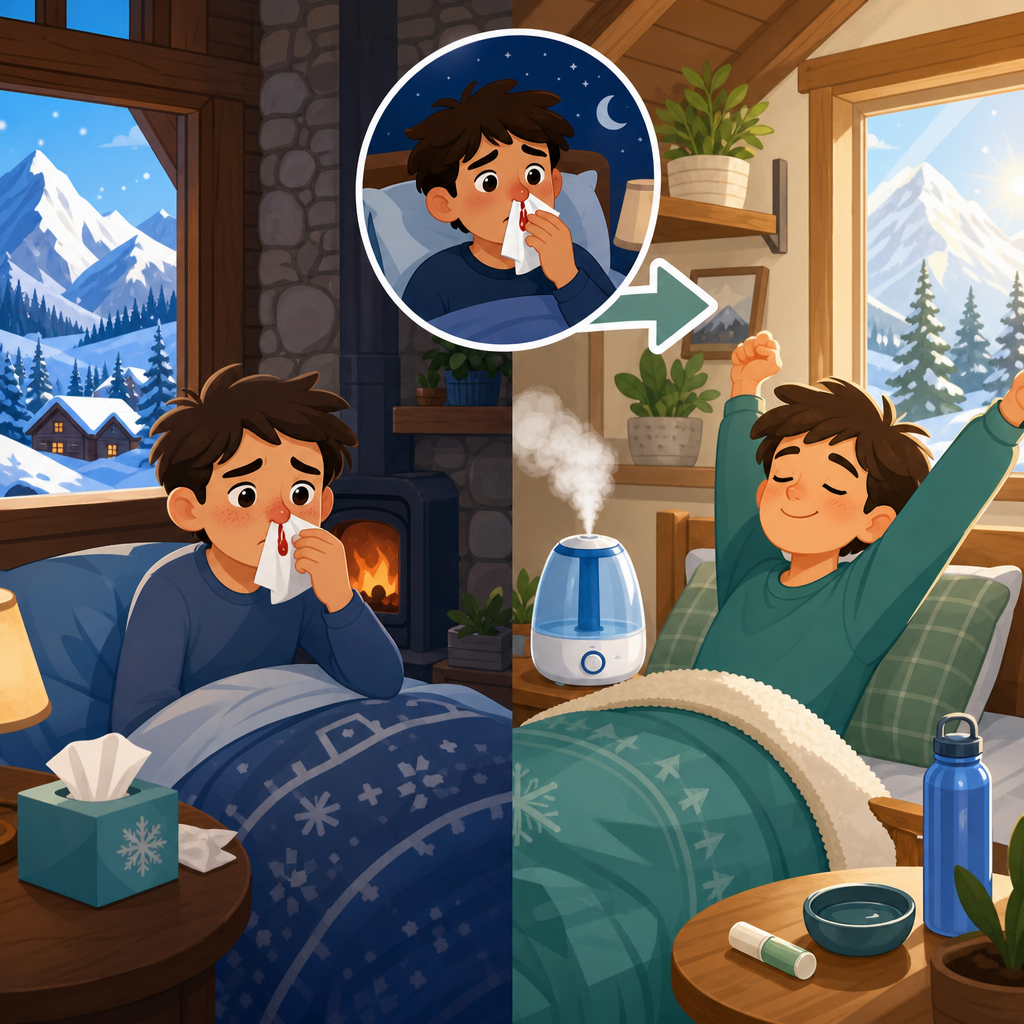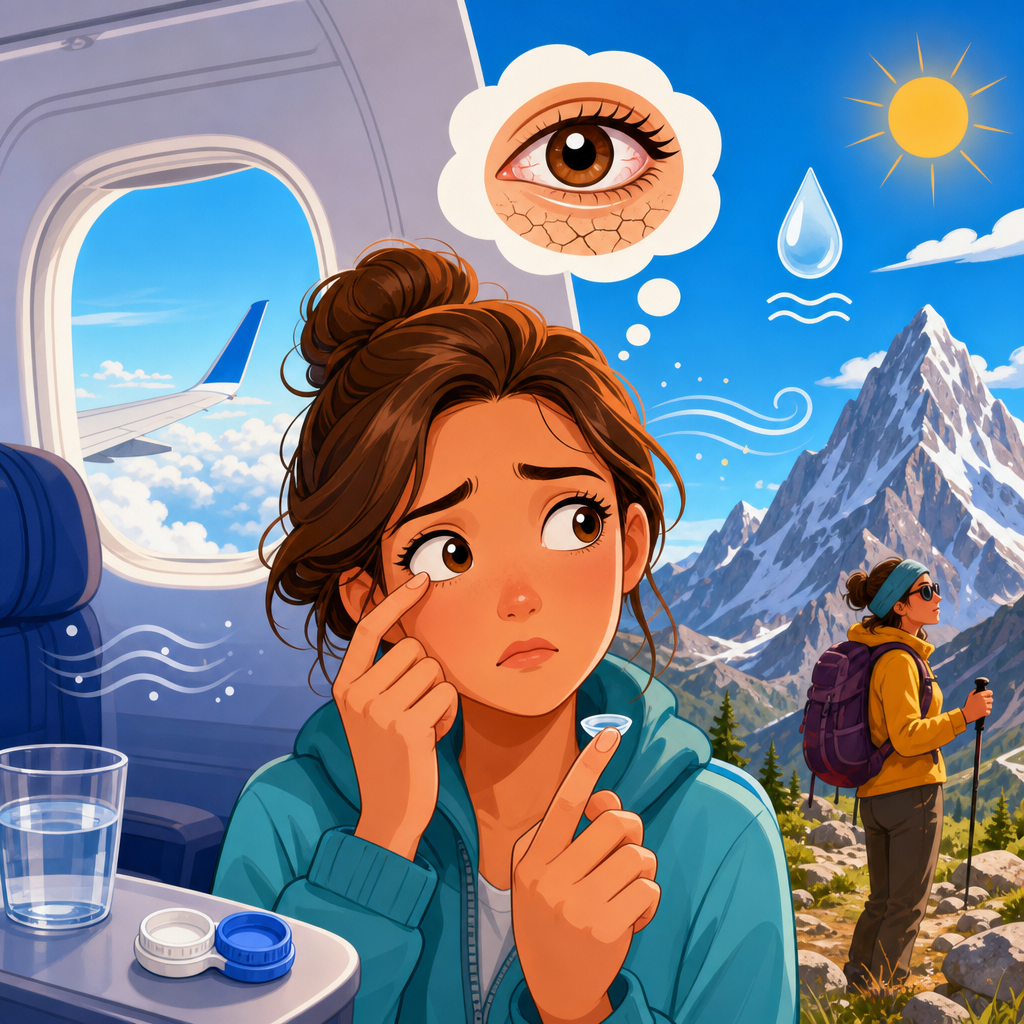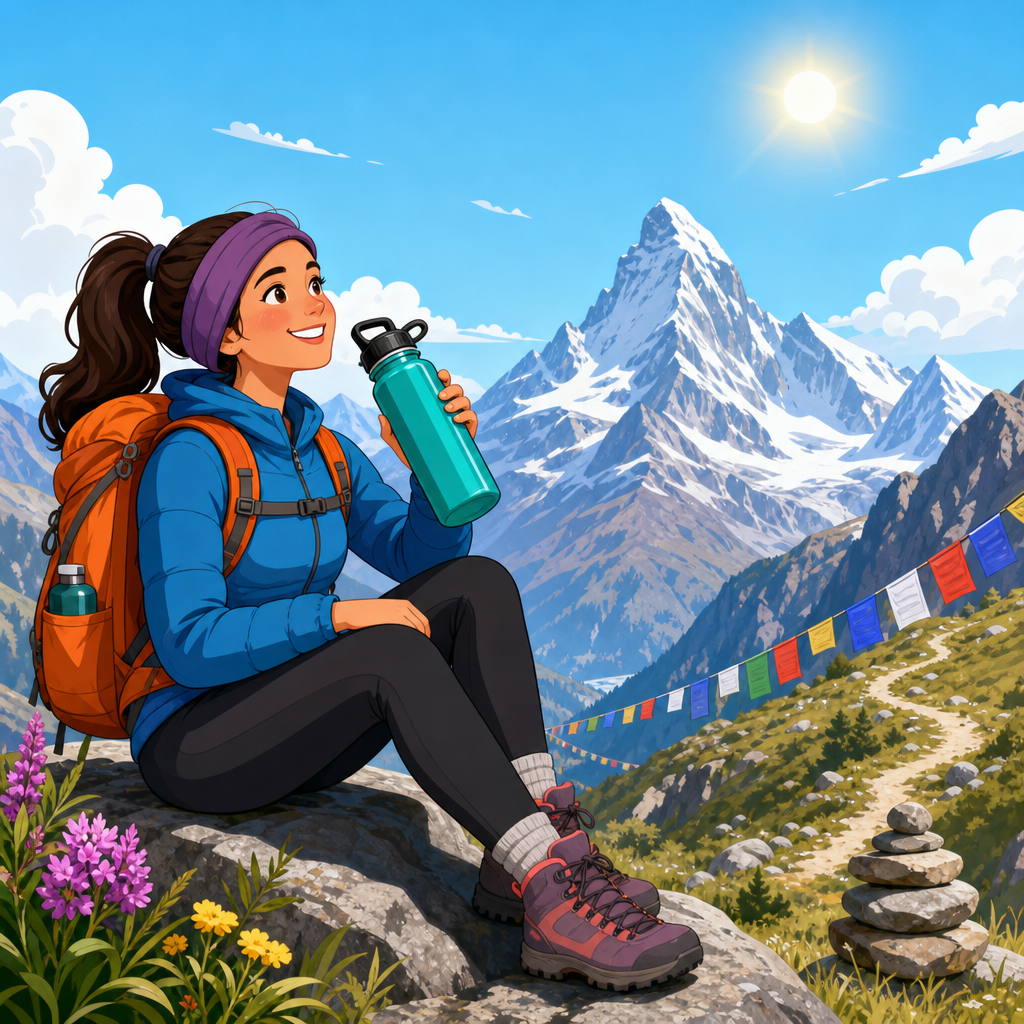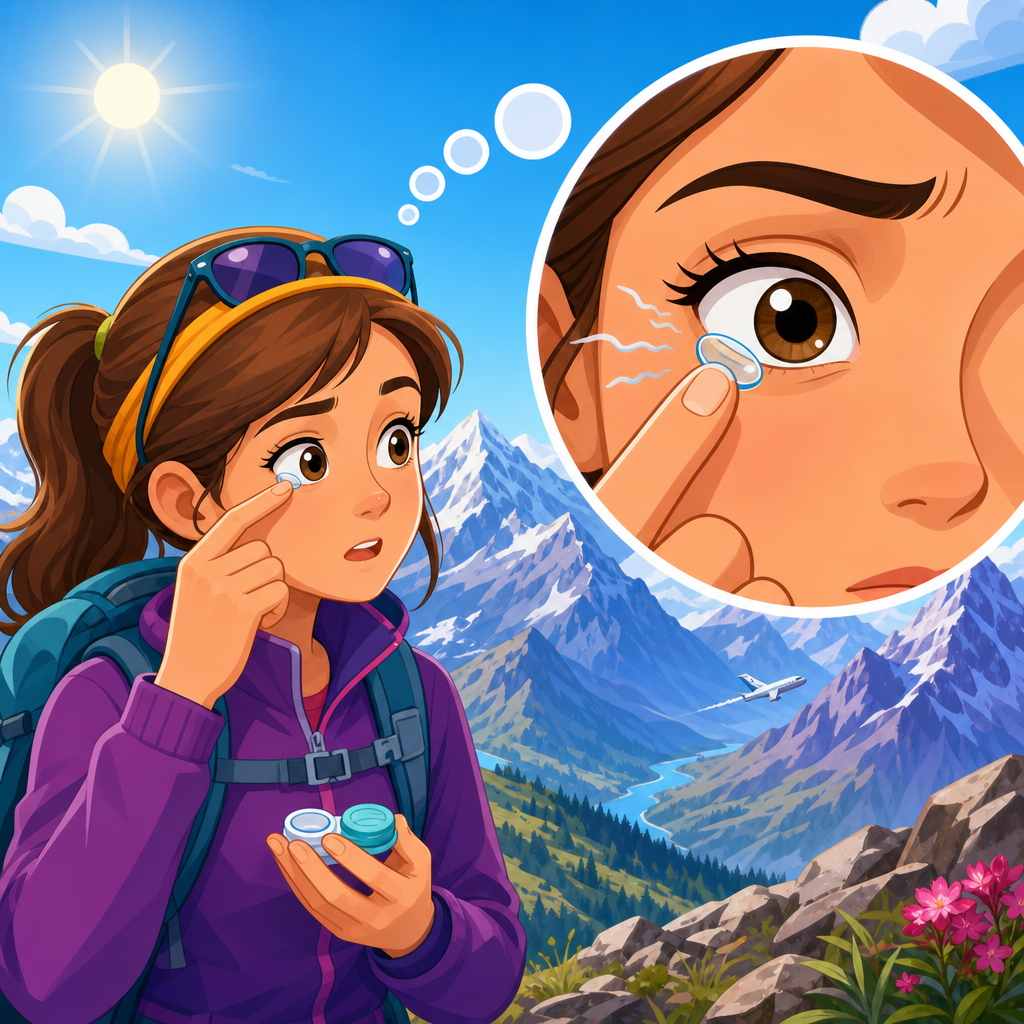
Can altitude make contact lenses less comfortable? Yes. In my experience fitting lenses for travelers, hikers, skiers, and frequent fliers, altitude often increases dryness, awareness of the lens edge, intermittent blur, and end-of-day irritation. The reason is not that mountain air directly damages lenses. It is that higher elevations usually combine lower humidity, stronger wind, more ultraviolet exposure, cooler temperatures, and dehydration, all of which destabilize the tear film that keeps contact lenses comfortable. For people exploring eye care and vision in daily life, this topic matters because small environmental changes can turn a normally reliable lens routine into redness, foreign-body sensation, or reduced wearing time.
Altitude, in practical terms, means being significantly above sea level, whether in a pressurized airplane cabin that mimics roughly 6,000 to 8,000 feet, a city like Denver, or a ski resort above 9,000 feet. Contact lens comfort depends on the interaction between the lens material, tear film, eyelids, and surrounding air. The tear film has three functional layers: an outer lipid layer that slows evaporation, a watery middle layer that provides moisture and nutrients, and an inner mucin layer that helps tears spread evenly over the eye. When altitude-related conditions increase tear evaporation or reduce blinking, lenses dehydrate faster, protein and lipid deposits become more noticeable, and the corneal surface feels less protected.
This hub article covers the core of eye care and vision for contact lens wearers in everyday settings. It explains why altitude affects comfort, who is most vulnerable, what symptoms to watch for, how different lens types perform, and what practical steps reduce irritation. It also places altitude within the wider eye comfort picture, including screen use, home heating, dry indoor air, ultraviolet light, and hydration. If you wear soft lenses, rigid gas permeable lenses, toric lenses, multifocals, or occasional cosmetic lenses, understanding these patterns helps you choose better habits and know when discomfort is normal and when it signals a problem that deserves prompt professional care.
Why altitude changes contact lens comfort
The main mechanism is faster evaporation of the tear film. Higher altitude environments are often dry, and dryness is amplified indoors by cabin ventilation, forced-air heating, and low relative humidity in hotels, offices, and mountain lodges. A contact lens sits within the tear film, so when tears evaporate quickly, the lens surface dries and friction increases with every blink. I see this often in airplane travelers who can wear lenses comfortably at home for twelve hours but become uncomfortable after two or three hours in flight.
Oxygen is part of the conversation, but not in the way many people assume. Modern silicone hydrogel lenses transmit much more oxygen than older hydrogel lenses, so altitude itself is usually not causing a dangerous oxygen shortage in healthy wearers. The more common issue is surface dehydration. However, if a lens already fits tightly, has low wettability, or is overworn, the stress of dry, cold, windy conditions can make a marginal fit feel much worse. That is why altitude discomfort usually reflects a tear film problem first and a lens-material problem second.
Wind and sun add another layer. Wind accelerates evaporation and makes people squint, which changes blinking patterns and lid pressure. Strong ultraviolet exposure at higher elevations can irritate the ocular surface indirectly, especially when combined with snow glare. Contacts do not replace proper UV-blocking sunglasses or goggles. On mountain days, patients often describe alternating watering and dryness. Reflex tearing sounds like extra moisture, but those tears are poor at stabilizing the lens surface. The result is still blur and discomfort.
Common symptoms and what they usually mean
The most common symptoms are dryness, scratchiness, fluctuating vision, lens awareness, redness, and shorter comfortable wear time. Dryness that improves temporarily after blinking usually points to tear film breakup on the lens surface. Fluctuating vision that clears after a few blinks can mean the front surface is drying or that deposits are disrupting wettability. Redness at the end of the day may come from dryness, environmental irritation, or overwear.
Some symptoms deserve more caution. Sharp pain, light sensitivity, significant discharge, a white spot on the cornea, or persistent blurred vision after lens removal can indicate a corneal abrasion, inflammatory event, or infection. Those are not normal effects of altitude. If symptoms are one-sided, severe, or do not improve quickly after removing the lens, the safest move is to stop lens wear and seek urgent eye care. Contact lens complications can worsen quickly, especially if someone tries to push through pain on a trip.
Another frequent complaint is that lenses feel stuck. This usually means the lens has dried on the eye rather than literally adhering permanently. Pulling it off can damage the corneal surface. Rewet first with preservative-free lubricating drops approved for contact lens use, blink gently, wait a minute, and then remove it. For daily life eye care, this is a key rule: dryness discomfort is common, but forceful lens removal is avoidable and harmful.
Who is most likely to notice problems
Not every wearer reacts the same way. People with meibomian gland dysfunction, evaporative dry eye, allergies, blepharitis, or incomplete blinking are more likely to struggle. Screen-heavy workers are another high-risk group because blink rate often drops during concentrated visual tasks. Put that person on a plane, in a dry conference room, or at a mountain resort, and symptoms often spike. I routinely ask patients not only what lenses they wear, but where they wear them and what a typical day looks like.
Lens modality matters too. Monthly replacement lenses can work well, but as they accumulate deposits or lose surface performance near the end of the cycle, altitude discomfort becomes more obvious. Daily disposables usually perform better for travelers because each pair starts clean, with fresh surface properties and less allergen buildup. Rigid gas permeable lenses often provide excellent vision and oxygen transmission, but some wearers notice more mechanical awareness in windy conditions. Toric and multifocal designs can become intermittently blurry when dryness affects lens stability.
Medication and health history also play a role. Antihistamines, isotretinoin, some antidepressants, decongestants, hormone changes, and autoimmune disease can reduce tear quality or quantity. Recent refractive surgery, chronic rosacea, and eyelid inflammation can do the same. In practical terms, altitude is often the final stressor that exposes an already borderline ocular surface. Recognizing that pattern helps people fix the real cause instead of assuming they suddenly became “unable” to wear contacts.
How different contact lenses compare in dry, high settings
The best lens for altitude depends on tear chemistry, wearing schedule, and environment. Silicone hydrogel materials generally offer high oxygen transmission, which is valuable for long days, but not every silicone hydrogel has the same surface wettability. Some patients do better in traditional hydrogels with a water-loving surface, while others need daily disposable silicone hydrogels that balance oxygen and moisture retention well. There is no single perfect material for everyone.
| Lens type | Typical comfort at altitude | Main advantage | Main limitation |
|---|---|---|---|
| Daily disposable soft lenses | Usually best | Fresh lens each day, fewer deposits | Higher ongoing cost |
| Two-week or monthly soft lenses | Variable | Lower cost per lens | Deposits and reduced wettability over time |
| Silicone hydrogel soft lenses | Often good | High oxygen transmission | Some wearers notice surface dryness |
| Rigid gas permeable lenses | Good vision, mixed comfort | Sharp optics, durable | More awareness in wind or dust |
| Scleral lenses | Often excellent for dry eye | Fluid reservoir protects cornea | More complex fitting and care |
Scleral lenses deserve special mention because they vault over the cornea and hold preservative-free saline between the lens and the eye. For patients with significant dryness, ocular surface disease, or post-surgical irregularity, they can be transformative even in challenging climates. They are not the default answer for every traveler, but in specialty practice they are one of the strongest tools for combining vision correction with surface protection. That said, they require skilled fitting, careful hygiene, and more handling time.
Replacement schedule can matter as much as material. A monthly lens on day twenty-eight is rarely equivalent to a fresh daily disposable on a ski trip. Surface deposits, hand cream contamination, makeup residue, and solution sensitivity become more noticeable when humidity drops. If someone only struggles during travel, switching temporarily to a daily disposable modality is often one of the highest-yield changes.
Practical ways to keep lenses comfortable at altitude
Start with moisture management. Use preservative-free lubricating drops labeled for contact lens wear before symptoms begin, not only after lenses feel dry. On flights or mountain drives, I advise patients to instill drops before boarding or departure, then repeat every few hours as needed. Hydration helps too, although drinking water does not instantly “moisturize” the eye. It supports overall fluid balance, which matters when altitude, exercise, alcohol, and cabin air all increase dehydration risk.
Protect the eyes from moving air. In airplanes, direct the overhead vent away from your face. Outdoors, wear wraparound sunglasses or goggles, especially for skiing, cycling, hiking, or open-lift rides. Blink deliberately during prolonged screen use, because concentration suppresses normal blinking. The 20-20-20 rule is useful, but for contact lens wearers I care even more about complete blinks that spread the lipid layer. Incomplete blinks leave the lower part of the lens exposed and drying.
Adjust lens choices to the trip. If you know you will be in a dry, high, or windy environment, consider daily disposables, a shorter wear schedule, or bringing glasses as your primary evening option. Never sleep in lenses unless your eye care professional specifically prescribed that modality and your eyes tolerate it well. Overnight wear raises complication risk anywhere, and altitude-related dryness can make lenses harder to remove in the morning. Also carry backup supplies: a spare pair, lubricating drops, a case, and glasses.
Hygiene remains nonnegotiable. Dryness can tempt people to overuse redness-relief drops or rinse lenses with water when they feel gritty after a dusty day. Both are mistakes. Water exposure raises the risk of serious infection, including Acanthamoeba keratitis. Use only approved solutions, replace the case regularly, and wash and dry hands before handling lenses. If a lens feels contaminated by sunscreen, smoke, dust, or debris, discard a daily disposable or clean and disinfect a reusable lens properly rather than trying to salvage comfort with repeated blinking.
When to switch to glasses and when to call an eye doctor
A simple rule is this: if discomfort is mild, improves with rewetting drops and breaks from wear, and leaves no lingering pain after removal, it is usually environmental. If discomfort is escalating, one-sided, associated with light sensitivity, discharge, or persistent blur, treat it as a medical issue until proven otherwise. Glasses are not a failure. They are a tool that protects the ocular surface when conditions are poor.
For travel, I recommend setting a lower threshold for switching to glasses than people use at home. If you are hiking above tree line, sitting through a long flight, recovering from a cold, or taking allergy medication, your eyes have less reserve. Remove lenses early rather than late. It is easier to prevent surface injury than to recover from it mid-trip. This is especially true for people with previous corneal infiltrates, recurrent erosions, or diagnosed dry eye disease.
An eye doctor should evaluate repeated altitude-related discomfort if it happens more than once. The solution may be as simple as treating meibomian gland dysfunction with warm compresses, changing solutions, refitting into a more stable daily disposable, or managing allergy and blepharitis more aggressively. Sometimes the problem is lens decentration, excessive movement, or a subtle giant papillary conjunctivitis pattern that only becomes symptomatic in dry environments. A good exam can separate those possibilities quickly.
Eye care and vision beyond altitude: the broader comfort hub
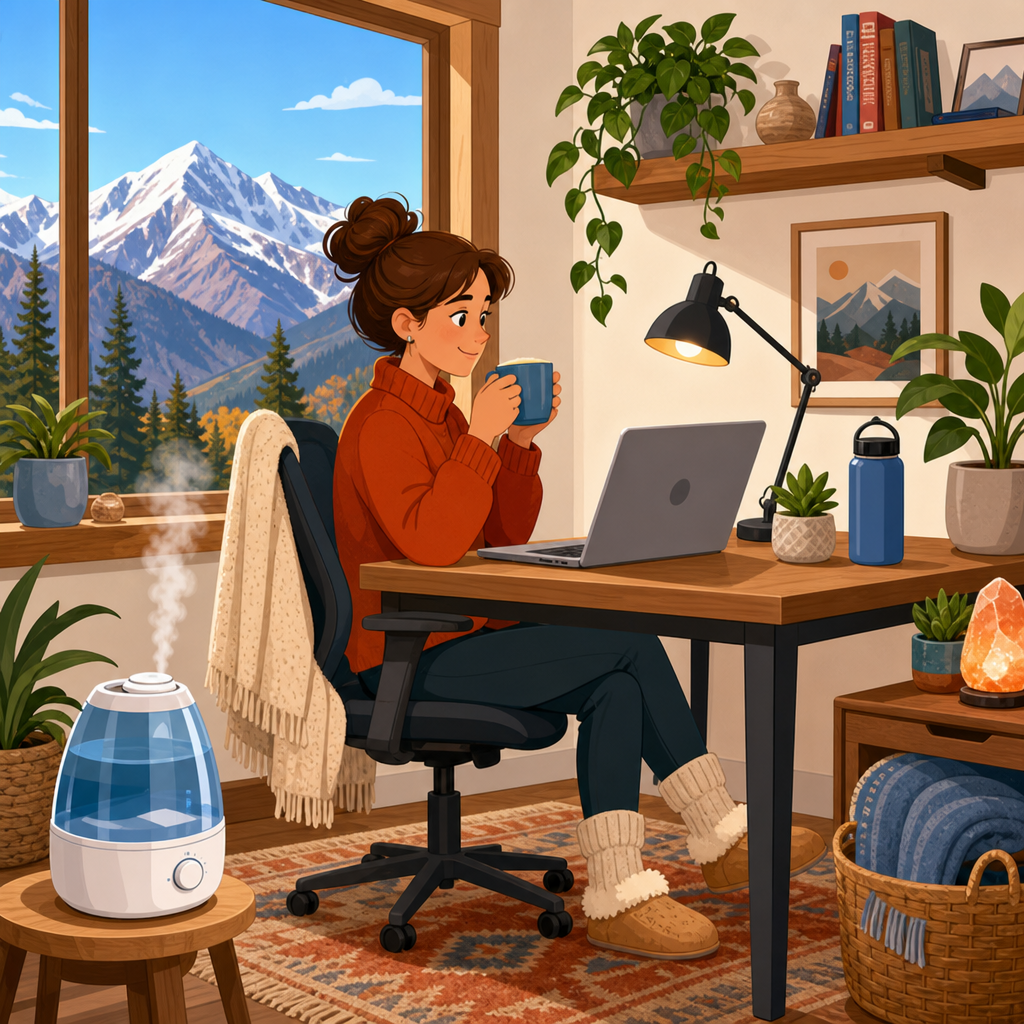
Altitude is one piece of a larger daily life eye care and vision picture. The same factors that irritate contact lenses on a mountain often show up at home: winter heating, ceiling fans, low indoor humidity, long screen sessions, poor sleep, allergy seasons, and cosmetics near the lid margin. Good vision comfort is rarely about one miracle product. It comes from matching the lens to the eye, the routine to the environment, and the environment to the task whenever possible.
If you are building a reliable eye comfort routine, focus on a few durable habits: regular replacement schedules, lid hygiene when blepharitis is present, UV protection outdoors, humidification in very dry homes, breaks during screen work, and routine eye exams that include the ocular surface, not just the glasses prescription. These are the same foundations I return to with patients who want lenses to work during commuting, office days, workouts, vacations, and winter travel.
Altitude can absolutely make contact lenses less comfortable, but the effect is usually manageable when you understand the cause. Dry air, wind, sun, dehydration, and reduced blinking destabilize the tear film and make lens surfaces feel drier and vision less steady. The people most affected are those with underlying dry eye, allergy, eyelid inflammation, heavy screen use, or lens deposits. The most effective responses are straightforward: start with a well-fitted lens, favor fresh replacement schedules when traveling, use preservative-free rewetting drops, protect eyes from airflow and UV, and switch to glasses early when symptoms build.
The main benefit of understanding altitude and contact lens comfort is control. Instead of guessing why lenses suddenly feel worse on planes or mountains, you can identify the environmental trigger and respond with practical steps that protect both comfort and eye health. Review your current lens type, travel habits, and dryness symptoms, then discuss them at your next eye exam so your eye care plan works not just at home, but everywhere you live, work, and travel.
Frequently Asked Questions
Can high altitude really make contact lenses feel more uncomfortable?
Yes, it absolutely can. Higher altitude itself does not damage your contact lenses, but the environment that comes with altitude often makes lenses feel less comfortable. In practical terms, people commonly notice more dryness, a stronger awareness of the lens edge, intermittent blurry vision, and more irritation later in the day. That happens because the tear film covering the eye becomes less stable in conditions that are common at elevation, including lower humidity, stronger wind, cooler air, and a greater tendency toward dehydration. If you are also spending time outside hiking, skiing, cycling, or traveling by air, those effects can stack up quickly.
Your contact lenses depend on a healthy, consistent tear film to stay comfortable and provide clear vision. When the tear film evaporates faster, the front surface of the lens can dry out, which increases friction between the eyelid and the lens. That friction is often what creates the sensation that the lenses suddenly feel “tight,” “scratchy,” or more noticeable than usual. Some wearers also experience fluctuating vision because the tear layer over the lens surface becomes uneven. So while altitude is not the direct culprit in a mechanical sense, the conditions associated with altitude often make contact lenses much harder for the eyes to tolerate comfortably.
Why do contact lenses feel drier in the mountains or during high-altitude travel?
The main reason is faster tear evaporation. In many high-altitude settings, the air is drier, and dry air pulls moisture away from the eye surface more quickly. Add wind exposure, sun, cold temperatures, and physical exertion, and the tear film can break up sooner than it normally would at lower elevations. Once that happens, the lens surface no longer stays evenly lubricated, and the eyes start to feel dry, irritated, or tired. Many people also blink less fully when concentrating outdoors or staring ahead on a trail, slope, or road, which further reduces tear distribution across the lens.
Dehydration is another major factor that gets overlooked. At altitude, people often breathe harder, lose more moisture, and may not drink enough fluids to compensate. Even mild dehydration can make the eyes feel drier. Travel itself can worsen things too. Airplane cabins are notoriously low in humidity, so someone may arrive at a mountain destination already starting off with compromised tear film quality. If that person then goes outside into wind and sun while wearing lenses all day, dryness can build from mild annoyance into real discomfort. In short, the problem is usually not one single trigger but a combination of environmental and physical stressors that make the ocular surface less able to support comfortable lens wear.
What symptoms should I expect if altitude is affecting my contact lenses?
The most common symptoms are dryness, burning, stinging, lens awareness, fluctuating or intermittent blur, and end-of-day discomfort. Some people describe the feeling as though the lens is “stuck” to the eye, while others notice that their vision clears briefly after blinking and then becomes blurry again. That pattern often points to tear film instability on the lens surface. You may also notice redness, mild foreign-body sensation, sensitivity to wind, or a greater need to remove the lenses earlier than usual.
In more demanding environments, such as skiing, mountaineering, or long outdoor excursions, symptoms may become more noticeable as the day goes on. Wind and ultraviolet exposure can irritate the eyes further, and if the lens dries unevenly, it may move differently on the eye and become more noticeable with each blink. That said, persistent pain, marked redness, light sensitivity, significant discharge, or a feeling that something is truly stuck under the lens should not be dismissed as simple altitude dryness. Those symptoms can signal a more serious issue, such as a corneal abrasion, inflammation, or infection, and they warrant prompt evaluation by an eye care professional.
How can I make my contact lenses more comfortable at high altitude?
Preparation makes a big difference. Start by making sure your lenses are still a good fit for your eyes and your wearing habits, especially if you already struggle with dryness. For many travelers and outdoor enthusiasts, daily disposable lenses are often the most comfortable option because they provide a fresh, clean lens each day and reduce the buildup that can worsen dryness and irritation. Preservative-free lubricating eye drops that are approved for contact lens use can also help maintain moisture on the lens surface during the day. Using drops before symptoms get severe tends to work better than waiting until the lenses already feel very dry.
It also helps to protect the ocular surface from the environment. Wraparound sunglasses or goggles can reduce wind exposure, ultraviolet stress, and evaporation. Staying well hydrated is important, and taking breaks from lens wear when possible can prevent symptoms from escalating. If you are on a long flight or spending time in very dry indoor heat, consider wearing glasses for part of the trip to give your eyes a break. Avoid sleeping in lenses unless they were specifically prescribed for overnight wear and your eye care professional has confirmed that it is appropriate. If you know you will be in harsh alpine or high-desert conditions, it is smart to pack backup glasses, lens-friendly artificial tears, and extra lenses so you are not forced to keep wearing uncomfortable contacts longer than you should.
Should I switch contact lens types if I spend a lot of time at altitude?
Possibly, yes. If you regularly travel to higher elevations or spend long days hiking, skiing, climbing, or flying, your current lens material or replacement schedule may not be ideal for those conditions. Some patients do better in daily disposable lenses because a new lens each morning often feels cleaner, smoother, and less irritating by late afternoon. Others benefit from a lens material that retains surface moisture better or from a design that interacts more gently with the eyelids. If your current lenses work well at home but become noticeably uncomfortable in mountain or travel settings, that is a good reason to discuss alternatives with your eye care professional.
A lens change should be based on an exam, not guesswork. Comfort depends on more than marketing claims about moisture or oxygen. The fit of the lens, the quality of your tear film, your blink pattern, any underlying dry eye, your environment, and how many hours you wear the lenses all matter. In some cases, the best strategy is not just switching brands but combining a different lens with better lubrication, shorter wear time, and stronger environmental protection. If altitude-related discomfort is frequent, a professional fitting can often identify whether a different lens type, daily disposables, or even part-time glasses wear would give you more reliable comfort and vision.